
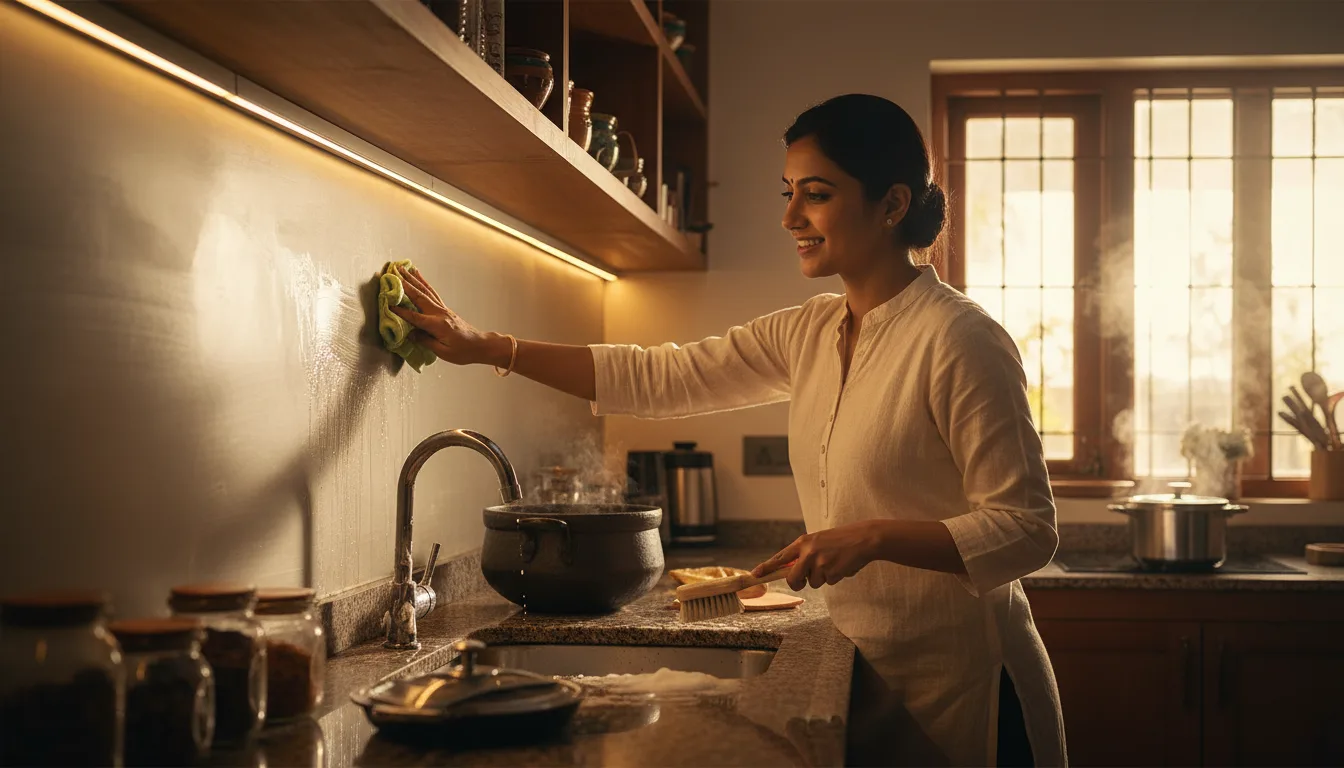
Why Indian Kitchens Are a Different Beast
If you cook dal, sabzi, and rotis daily, your kitchen is fighting a war on multiple fronts. There's the sticky oil film that settles on tiles after a tadka session. There's the hard water residue that leaves white rings on steel vessels. And then there's the general build-up that happens when a kitchen is actually used - not just staged for a photo.
Most cleaning products sold in India are designed for light use or are simply imported solutions that weren't built for high-heat, heavy-oil Indian cooking. This guide skips the generic advice and gets specific about what actually cuts through the mess in a real Indian kitchen.
Start with the Stovetop and Surrounding Tiles
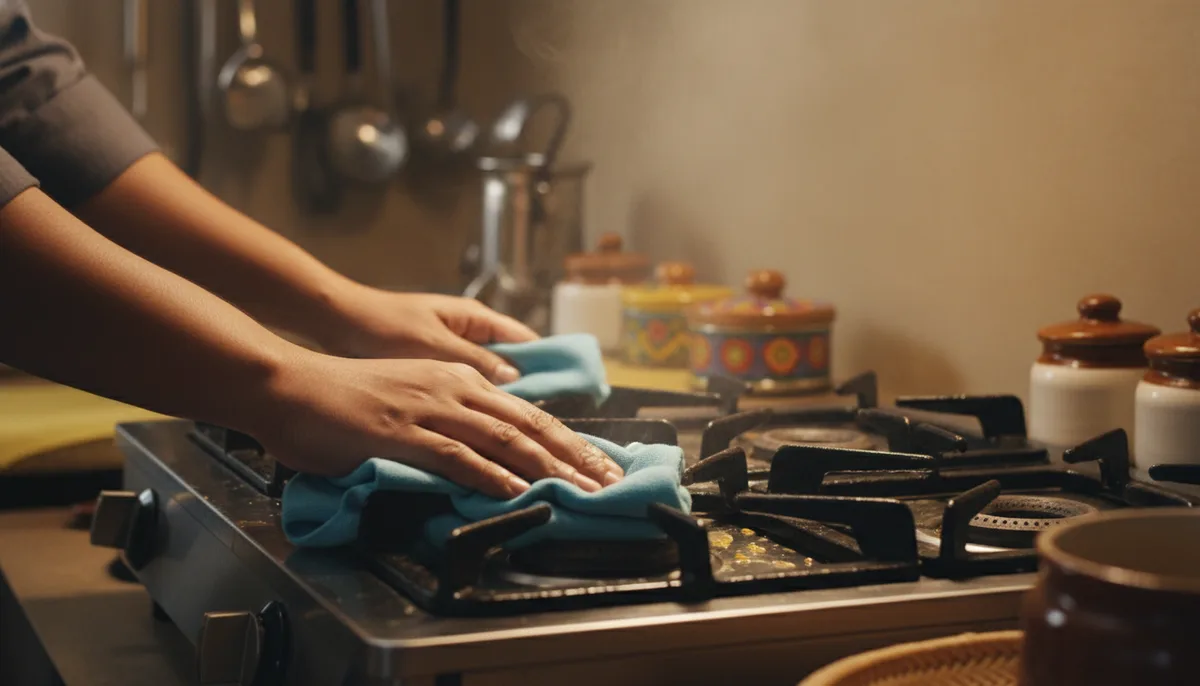
The stovetop and the tiles directly behind it collect the most stubborn grease. The mistake most people make is waiting too long. Once cooking oil cools and sets, it hardens into a layer that regular dish soap barely touches.
The fix is simple: wipe the stovetop down while it's still slightly warm (not hot). A damp cloth at this stage removes about 80% of the fresh grease with almost no effort. For anything that's already set, you need a cloth that can work into the texture of the surface without scratching it.
The Magic Cleaning Cloth works well here because it's designed to lift grease without needing heavy chemicals. A small amount of dish soap, a little warm water, and the cloth does the scrubbing without leaving scratch marks on your gas stovetop or glass hob.
For the tiles behind the stove, the same approach works. Spray a little water, let it sit for thirty seconds, and wipe in firm horizontal strokes. The grout lines are the tricky part - use the corner of the cloth folded into a thinner edge. It takes less time than it sounds once you get into a rhythm.
Utensils, Pans, and Steel Vessels
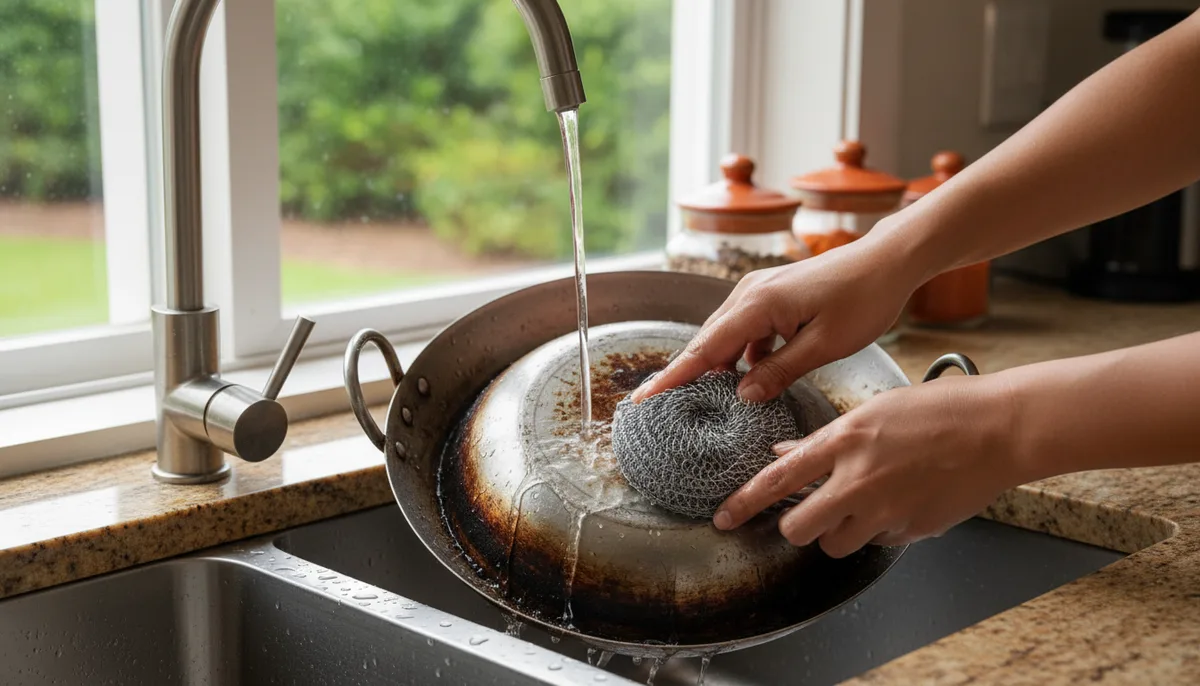
Steel utensils and heavy-bottomed pans are the backbone of Indian cooking, and they take real abuse. Burnt bottoms, stubborn masala stains, and hard water marks are not going away with a basic sponge.
Here's where the right scrubbing tool makes a big difference. A sponge that's too soft won't touch a burnt kadai. A scrubber that's too rough will scratch non-stick surfaces and even leave marks on thin steel. You need something in between - firm enough to work, gentle enough not to damage.
The Multipurpose Wire Dishwashing Rags handle both jobs. The wire texture cuts through burnt-on residue on steel and cast iron, while you can control the pressure based on what you're cleaning. They work wet for washing and dry for wiping, which cuts down on the number of tools you're juggling at the sink. For heavy build-up on the outside of pans - that brown ring that forms near the base - soak the pan in hot water for ten minutes first, then scrub. The combination of heat and the right tool does most of the work for you.
Countertops and Prep Surfaces
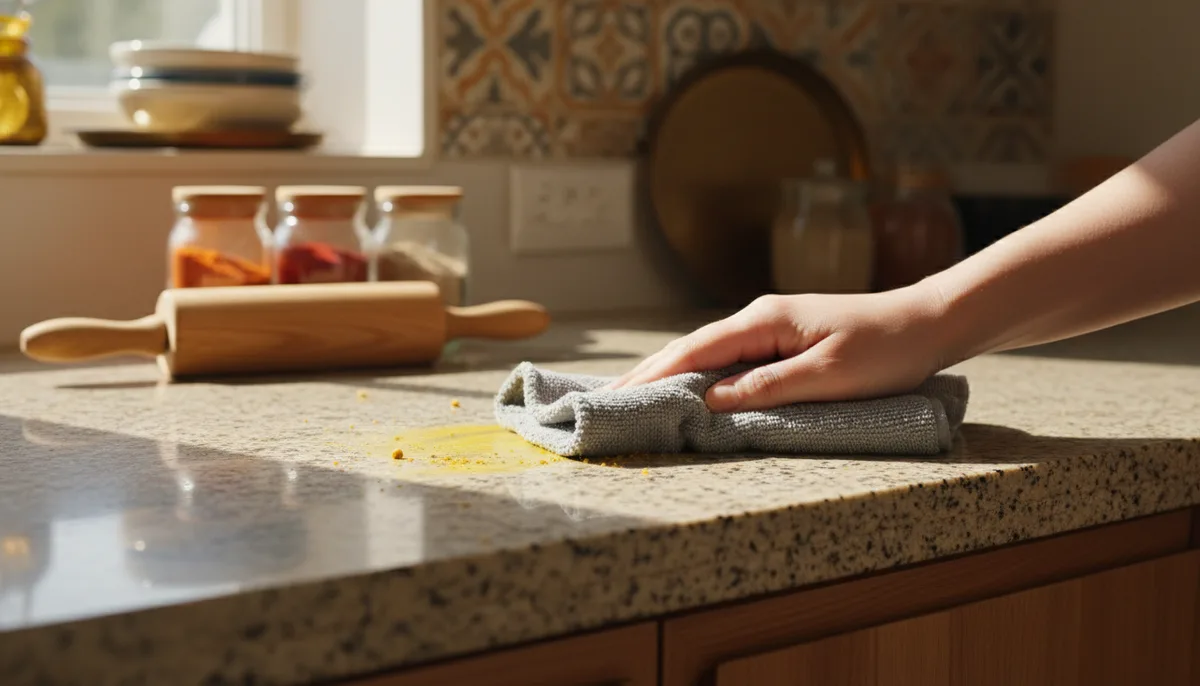
Granite and marble countertops are common in Indian kitchens, and both have specific needs. Granite is more forgiving, but marble stains easily from turmeric and tamarind. The first rule: wipe spills immediately. The second rule: never use acidic cleaners like vinegar on marble - it pits the surface over time.
For daily maintenance of both surfaces, a damp microfibre-style cloth is the most practical choice. It picks up crumbs, absorbs spills, and leaves the surface streak-free without needing a separate drying step. The Space Cloth is particularly good for this because it's designed for water-only cleaning on smooth surfaces. No chemical residue, no streaks, and you're not going through a roll of paper towels every week.
For tougher stains on granite - dried masala paste, coffee rings, oil splatter that's been sitting overnight - a small drop of dish soap on the cloth and a circular scrubbing motion usually handles it. Rinse the cloth thoroughly after and hang it to dry. It's ready for the next round.
The Cabinet Fronts Nobody Cleans
Cabinet fronts are the most overlooked surface in any Indian kitchen. Over months of cooking, a fine film of oil and dust settles on them. You stop noticing it because it builds up gradually, but guests notice immediately.
Laminate and wood-finish cabinet fronts need a gentle approach. Too much moisture and the laminate lifts at the edges. Too much chemical cleaner and the finish dulls. A lightly damp cloth - just damp, not wet - wiped in the direction of the grain or finish pattern is the right call.
If the cabinets haven't been cleaned in a while, warm water with a tiny drop of dish soap is fine for the initial clean. After that, plain water maintenance every one to two weeks keeps the grease from building back up. The key is making it a quick, routine action rather than a big monthly project.
Sinks, Drains, and the Wet Zone
The kitchen sink in an Indian home handles a lot: rinsing vegetables, washing heavy pots, sometimes soaking clothes. Steel sinks look dull and stained quickly due to hard water deposits and soap residue.
To restore shine to a steel sink, a mild scrub with a damp sponge and a pinch of baking soda works well. Rinse thoroughly and wipe dry - this is the step most people skip. Letting the sink air-dry with hard water sitting in it is what causes those white marks in the first place.
The drain area needs attention separately. A weekly pour of hot water down the drain, followed by a small amount of dish soap and a drain brush, prevents the slow build-up that eventually causes odours and clogs. This is a two-minute task that most people do only after something goes wrong.
Building a Kitchen Cleaning Routine That Sticks
The real problem with kitchen cleaning isn't knowledge - most people know what needs to be done. The problem is that big cleaning sessions are exhausting, so they get delayed, which makes them harder, which makes them more exhausting. It's a cycle worth breaking.
A much better approach is a ten-minute daily reset. After cooking and eating, wipe the stovetop, counters, and sink. That's it. The tiles, cabinets, and utensil cleaning can rotate on a weekly schedule. A proper deep clean of the whole kitchen then only needs to happen once a month - and it takes far less time because nothing has been allowed to build up.
Keeping your tools accessible helps. If your cleaning cloths and scrubbers are under the sink or in a drawer near the stove, you're much more likely to use them after each cooking session. If they're stored away somewhere inconvenient, the ten-minute habit never forms.
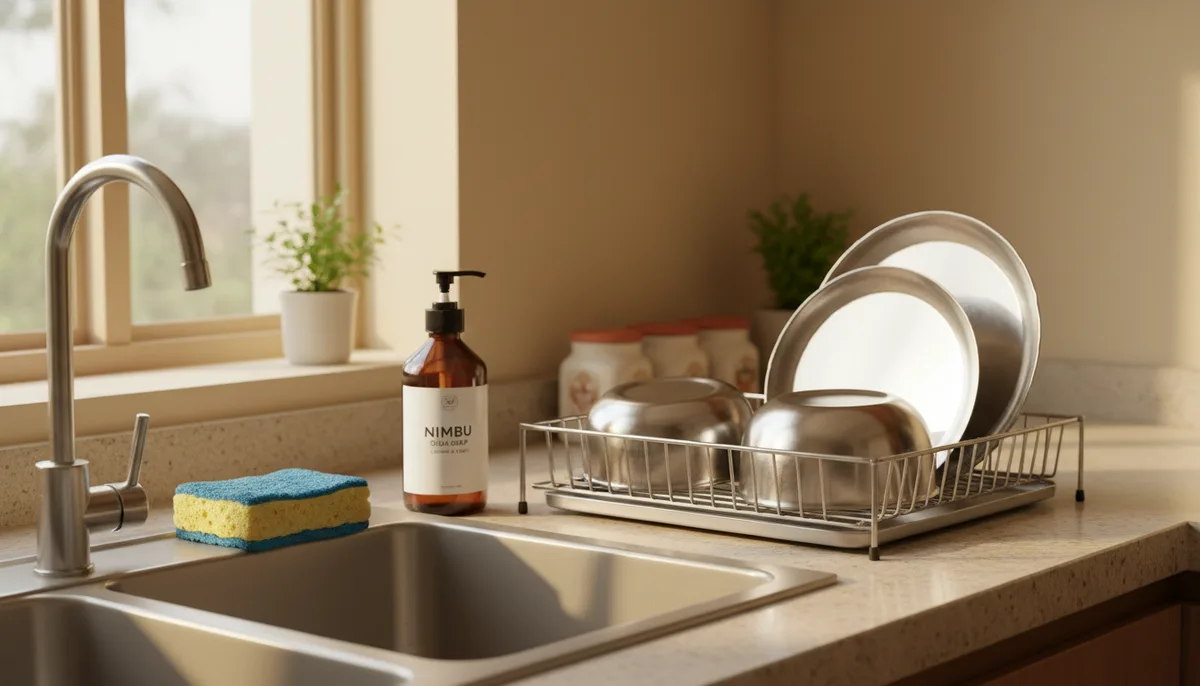
The Space Sponge is worth keeping right at the sink for this reason. It handles counter wipes, stovetop quick-cleans, and even sink scrubbing in one tool. Rinse it out after use and it's ready for the next session. With regular care, one sponge lasts two to three months, which is far better value than going through several disposable sponges in the same period.
A Quick Word on Cleaning Products
Many commercial kitchen cleaners are effective but come with trade-offs: strong fumes, residue left on cooking surfaces, and containers that add to plastic waste. For most daily kitchen cleaning tasks, you genuinely don't need heavy chemicals. Warm water, a good cloth or sponge, and occasional dish soap covers about 90% of what a kitchen needs.
For tougher jobs - heavily soiled tiles, burnt pan bottoms, or monthly deep cleans - a concentrate-based cleaner used in a diluted form makes more sense than a full spray bottle used at full strength. It's cheaper per use and gives you better control over how strong the solution is.
The goal is a kitchen that's clean enough to cook in comfortably every day - not spotless in a way that requires an hour of scrubbing every week. Get the right tools, build a short daily habit, and the big cleaning sessions take care of themselves.