Why Your Laundry Routine Needs a Green Makeover
Most Indian households run at least one full load of laundry every day. Multiply that by the 300 million households across India, and the environmental toll of traditional detergents, excessive water usage, and single-use plastic packaging becomes staggering. Between the phosphates seeping into rivers and the mountains of plastic detergent bottles filling landfills, our everyday laundry habits are costing the planet far more than we realise.
The good news? Making your laundry routine more sustainable doesn't mean sacrificing cleanliness — especially in a country where dusty streets, monsoon humidity, and summer sweat put clothes through a real workout. With the right products and small adjustments, you can do laundry that's kinder to the environment and just as effective.
The Problem with Traditional Liquid and Powder Detergents
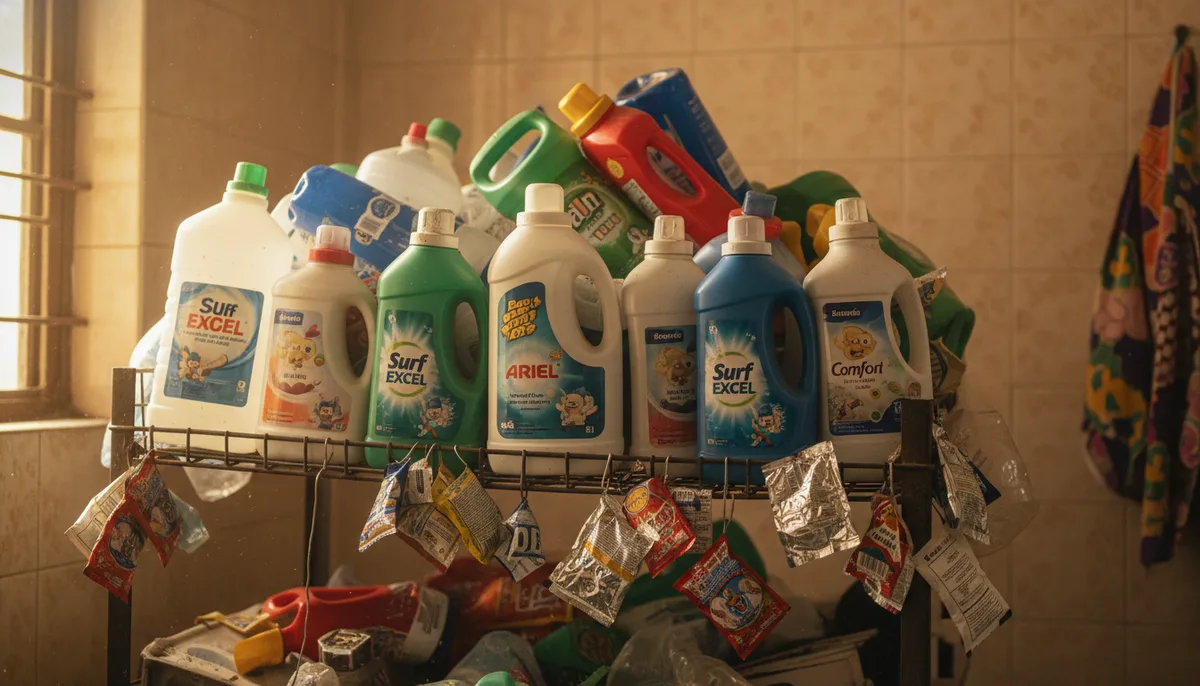
Walk down any supermarket aisle in Mumbai, Delhi, or Bengaluru, and you'll see rows of brightly coloured detergent packets and bottles, most of which are made from non-recyclable plastic. In fact, the FMCG sector is one of the largest contributors to plastic waste in India, with laundry products being a major culprit.
Traditional detergents also contain surfactants, phosphates, and synthetic fragrances that are harmful to aquatic life when they enter waterways — a serious concern in a country where rivers like the Ganga and Yamuna are already under massive ecological stress. Add to that the heavy water usage required to rinse out thick liquid detergents, and the picture becomes even grimmer.
Common Eco Problems with Standard Detergents
- Plastic packaging that typically isn't recycled or recyclable
- Harsh chemicals like phosphates and optical brighteners that pollute water bodies
- Excess water consumption to rinse away thick soap residue
- High carbon footprint from heavy, water-based liquid products during shipping
Switch to Laundry Sheets: A Game-Changer for Indian Homes
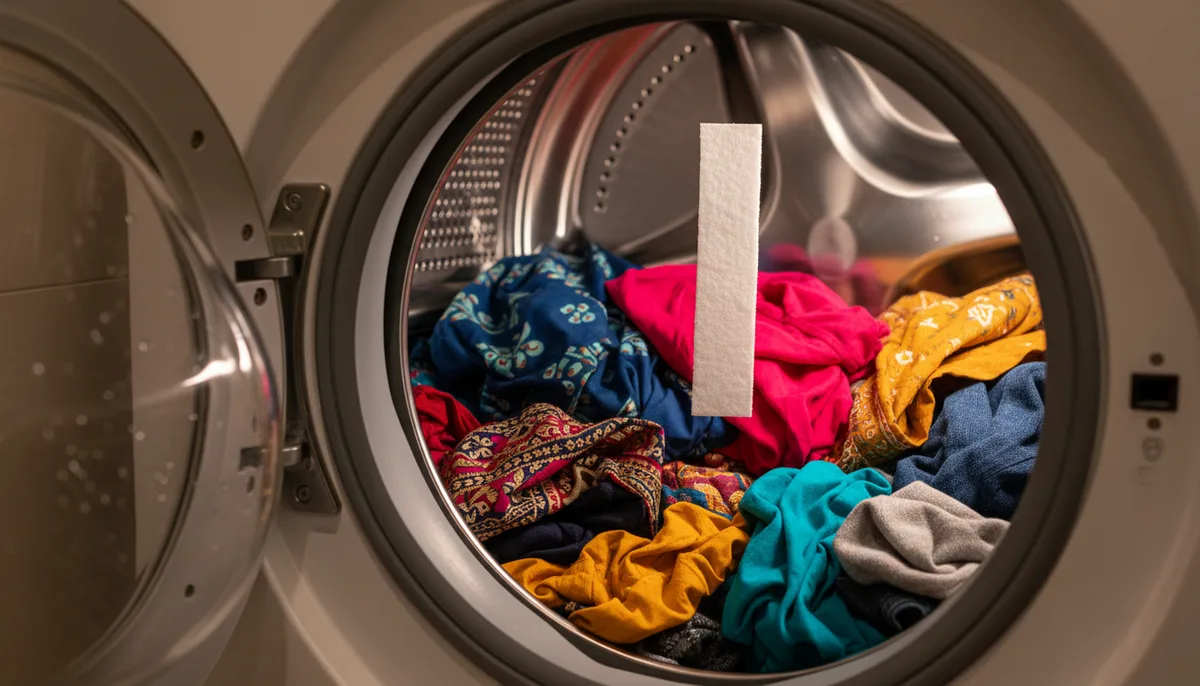
One of the most impactful switches you can make is moving from traditional detergent to laundry detergent sheets. If you haven't heard of them yet, think of them as ultra-concentrated, lightweight strips of detergent that dissolve completely in water — leaving zero residue and zero plastic waste.
The Laundry Detergent Sheets by Swivo are a brilliant example of this innovation. Each pack provides 60 full wash loads and is free from the bulky plastic bottles that pile up in landfills. The sheets are compact, travel-friendly, and work effectively in both top-load and front-load washing machines — a must in India where both machine types are widely used. They dissolve instantly in cold or warm water, which is great for hand-washing too, a method still common in many Indian homes.
Beyond the environmental benefits, laundry sheets are genuinely more convenient. No more measuring cups, no sticky spills, and no lugging heavy bottles home from the store. One slim packet slips into your drawer and lasts for months.
Washing Clothes the Eco-Friendly Way: Practical Tips
Even with a better detergent, your washing habits matter just as much. Here are some practical, India-specific tips to green up your laundry routine from start to finish.
1. Wash in Cold Water When Possible
Heating water for laundry is one of the biggest energy drains in a household. In most parts of India — especially during the warm months from March through October — cold water washing is perfectly effective for everyday clothes. Hot water is really only necessary for heavily soiled items or during the peak winter months in cities like Delhi or Shimla.
2. Run Full Loads Only
A half-empty washing machine uses almost as much water and electricity as a full one. Train yourself and your family to collect clothes until there's a full load. This one habit alone can cut your water usage significantly over a month.
3. Line Dry Whenever You Can
India's sunny climate is one of our greatest advantages when it comes to drying clothes. Sunlight is a natural disinfectant and whitener — far better than tumble-drying, which consumes significant electricity and wears down fabric faster. Even in monsoon-heavy regions, a covered balcony can do the job on most days.
4. Pre-Treat Stains Instead of Re-Washing
Re-washing is one of the most wasteful laundry habits. Instead of running an entire cycle again for one stained kurta or school uniform, pre-treat the spot with a cloth or sponge directly. A damp Magic Cleaning Cloth can be incredibly effective at lifting fresh stains before they set — saving you an entire wash cycle and a dose of detergent.
Choosing the Right Cleaning Cloths for Laundry Day
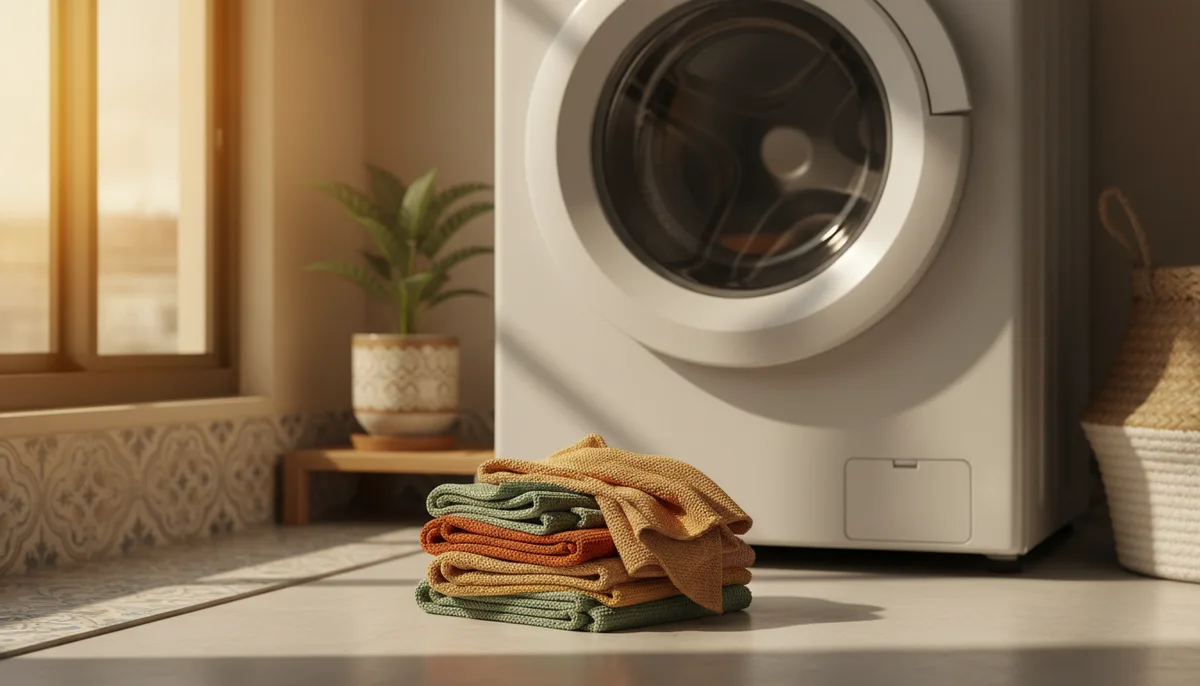
Eco-friendly laundry goes beyond what's inside the machine. The cloths and tools you use to wipe surfaces, pre-treat stains, and clean your laundry area also matter. Synthetic sponges and disposable wipes shed microplastics and add to landfill waste every time they're thrown out.
Reusable, high-quality cleaning cloths are a far smarter investment. The Space Cloth (Pack of 3) is designed for exactly this kind of multi-purpose use — absorbent, durable, and washable, so it keeps working load after load without needing to be replaced. Using reusable cloths in your laundry area — whether for wiping the machine drum, cleaning up detergent spills, or scrubbing the sink — eliminates a surprising amount of everyday waste.
Don't Forget the Air You're Breathing While You Clean

This one often gets overlooked, but laundry rooms and utility areas in Indian homes can accumulate dust, lint, and pollutants quickly — especially in cities with high air pollution levels. If your washing machine or laundry area is near a ceiling fan, you might be circulating dusty, lint-laden air right back into your clothes-drying space.
A simple fix? Fit your ceiling fan with Activated Charcoal Ceiling Fan Filters. These attach easily to standard fans and use activated charcoal to trap dust, allergens, and airborne particles — so the air circulating over your freshly washed clothes is actually clean. It's a small addition that makes a real difference, particularly in high-pollution urban areas.
Building a Sustainable Laundry Routine: A Quick Checklist
- Replace your liquid or powder detergent with eco laundry sheets
- Wash full loads in cold water wherever possible
- Line dry under the sun — especially during summer and autumn
- Pre-treat stains with a reusable cloth instead of re-washing
- Switch to reusable cleaning cloths for all laundry-area tasks
- Filter the air in your laundry and drying space
- Repurpose rinse water for mopping or garden watering
Small Changes, Big Impact
Sustainability in India often feels like an overwhelming, large-scale challenge. But the truth is, the biggest changes come from millions of small, everyday decisions — like the detergent you pick up from the shelf or the cloth you reach for when a spill happens. Your laundry routine runs 300 to 365 days a year. Greening even a portion of it adds up to thousands of litres of water saved, kilos of plastic avoided, and a cleaner ecosystem for everyone.
Start with one switch — maybe those laundry sheets — and build from there. Your clothes will be just as clean, your conscience a little cleaner, and India's rivers a little better off for it.