

Why Your Laundry Still Feels Wrong After Washing
You washed the clothes. They smell fine when they come out. But an hour later, something's off - the fabric feels rough, there's a faint musty undertone, or your favourite cotton kurta looks duller than it did two months ago. Sound familiar?
Most Indian households deal with these issues and assume it's just the hard water, the machine, or cheap detergent. Sometimes it is. But more often, it's a combination of small habits that compound over time. The good news: most of them are easy to fix once you know what you're looking at.
You're Using Too Much Detergent
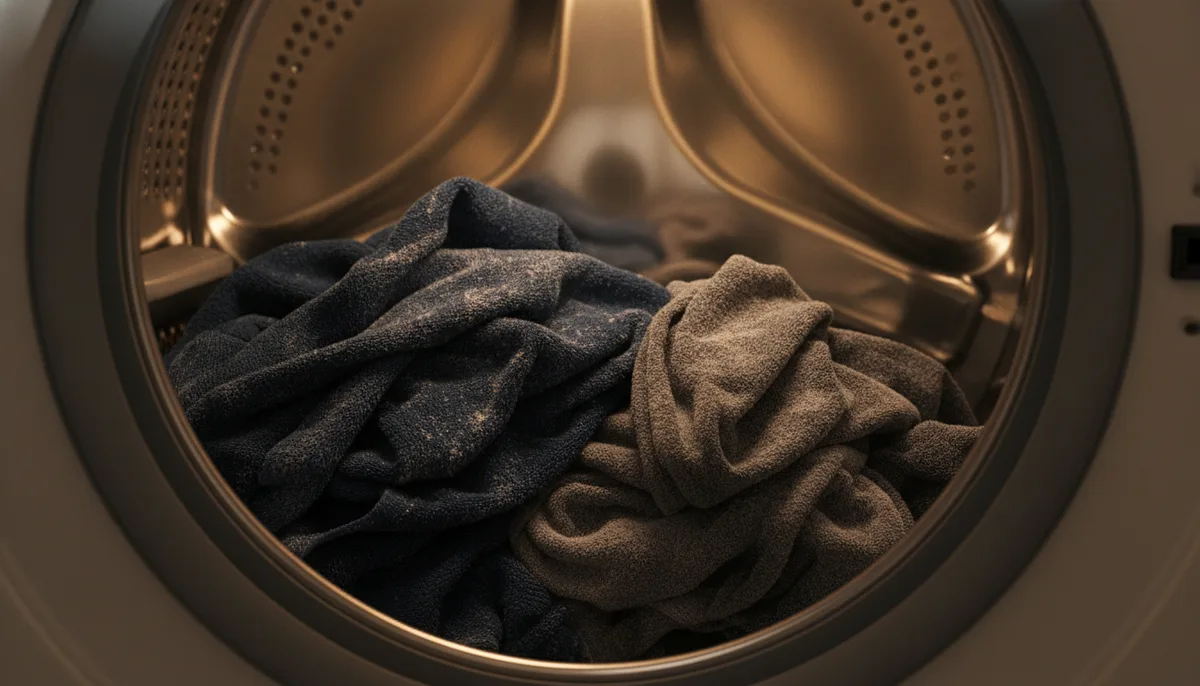
This is the most common laundry mistake, and it's counterintuitive. More detergent does not mean cleaner clothes. What it actually means is residue - a film left on fabric that attracts dirt faster, makes clothes feel stiff, and can cause skin irritation over extended wear.
In India, where hard water is the norm in most cities - Chennai, Delhi, Pune, Bangalore - this problem is worse. Hard water and excess detergent interact to create a chalky buildup that's difficult to rinse out fully. Your machine has to work harder, and your clothes come out looking grey over time.
The fix is straightforward: use less than you think you need. If you've switched to a concentrated or sheet-format detergent, the dosing instructions are even smaller. Swivo Laundry Detergent Sheets are a good example - pre-measured, no guesswork, and no accidental overdosing. One sheet per load, and you're done. No sticky powder containers, no measuring cups, no mess near the washing area.
Hot Water Is Not Always Better
There's a widespread assumption that hotter water cleans better. For some things - heavily soiled workwear, white cotton bedsheets - it can help. But for everyday Indian clothing, especially synthetic fabrics, silk dupattas, and anything with prints or embroidery, hot water is the reason your colours are fading and your necklines are stretching.
Cold or lukewarm water is gentler, preserves colour, and is sufficient for normal soil loads. Reserve warm washes for towels, bedsheets, and heavily stained items. Everything else - your daily wear, cotton kurtas, blended fabrics - does better with a cooler wash.
Skipping the Spin Cycle Check

Leaving clothes in the drum after the wash cycle ends is something almost everyone does when they're busy. Fifteen minutes becomes an hour, then two. By the time you hang them, the smell has already started.
Mildew smell in laundry is very common in Indian homes, especially during monsoon months when ambient humidity is high. The solution isn't rewashing - it's pulling clothes out promptly and hanging them in a well-ventilated spot. If you missed the window and they've already developed that damp smell, rewash with a small amount of white vinegar in the drum before adding detergent.
Your Washing Machine Itself Needs Cleaning
The drum of your washing machine is a moist, enclosed environment. Over weeks of use, detergent residue, lint, hard water deposits, and bacteria accumulate - especially around the door seal in front-loading machines and the agitator in top-loaders.
A dirty drum transfers that smell and residue to every load you wash in it. Most people clean their machine once or twice a year at most. Realistically, it should be done once a month - and it takes about ten minutes of active effort.
Run an empty hot cycle with either a washing machine cleaner tablet or a cup of white vinegar. Wipe down the door seal (front loaders especially) with a damp cloth after every few washes. Leave the door ajar between washes to let moisture escape. These three habits alone will noticeably improve how your clothes smell after washing.
Overloading the Drum
Cramming clothes into the machine to avoid running two cycles is efficient in theory. In practice, an overloaded drum means clothes don't move freely, detergent doesn't distribute evenly, and rinse cycles can't fully flush out soap. You end up with clothes that aren't properly clean and feel heavier or stiffer than they should.
The rule of thumb: the drum should be about three-quarters full. Sheets and towels in particular need space to tumble. If you're regularly overloading to manage a big household laundry pile, it's worth reassessing your wash schedule rather than trying to force it all into one cycle.
Storing Clothes Before They're Fully Dry
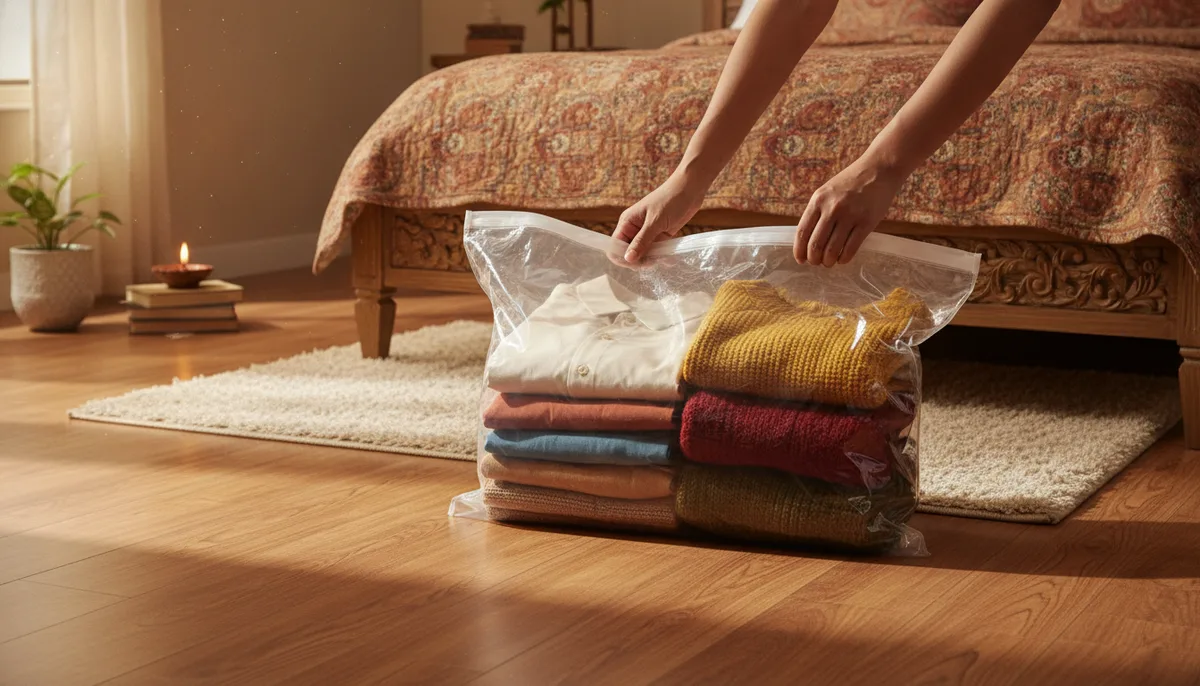
This one is especially relevant during Indian winters and monsoon seasons when drying time is longer. Clothes that feel surface-dry but are still slightly damp at the folds will develop mildew smell within a day or two of being folded and stored. Cotton and thick fabrics are the worst offenders.
Always check seams, collar edges, and folded areas before putting clothes away. If you're storing off-season clothes - woollens, heavy kurtas, festive wear - make absolutely sure they are bone dry first. Vacuum storage bags are useful here not just for space saving, but for protecting fabric from humidity once they're sealed. A product like the Vacuum Storage Bag with Pump removes the air that would otherwise carry moisture and allow mildew to develop over months of storage.
The Right Cloth for Wiping Down After Laundry
This might seem unrelated, but the cloth you use to wipe down your washing machine exterior, the laundry area sink, and nearby surfaces matters. Old cotton rags spread more than they clean - they smear wet residue around, spread detergent buildup, and leave lint. A proper microfibre cloth picks up residue cleanly and dries the surface properly.
The Magic Cleaning Cloth handles this kind of quick-wipe job well - it absorbs well, doesn't scratch surfaces, and is easy to rinse out and reuse. Keeping one near the washing machine specifically is a small habit that keeps the laundry area from becoming a source of its own mess.
A Quick Checklist to Fix Laundry Habits
- Measure your detergent - less than you think is usually enough
- Use cold or lukewarm water for everyday fabrics
- Pull clothes out promptly after the cycle ends
- Clean your washing machine drum once a month
- Leave the machine door open between washes
- Don't pack the drum more than three-quarters full
- Check that clothes are completely dry before folding and storing
- Keep a clean microfibre cloth near the laundry area for quick wipe-downs
One More Thing: Your Detergent Format Matters
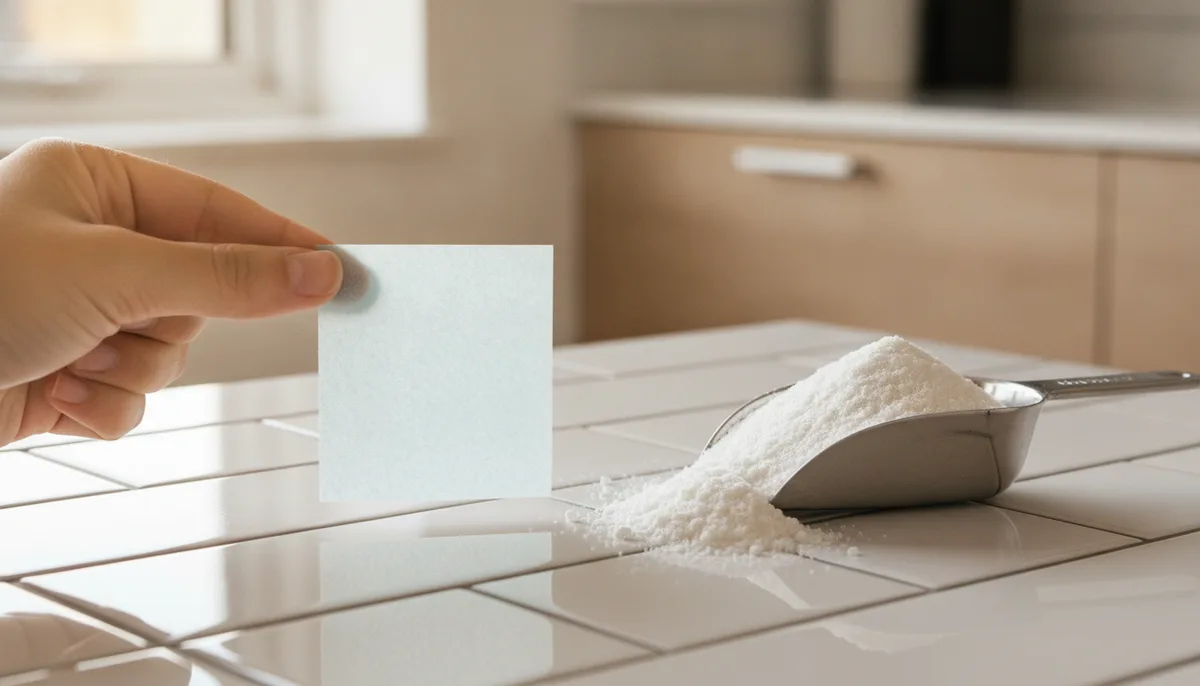
Powder detergents can clump and not dissolve fully in cold water, leaving residue on dark fabrics. Liquid detergents work better in cold washes but can be over-poured easily. Sheet detergents dissolve cleanly in any water temperature and eliminate the measuring problem entirely.
If you're washing in hard water and have been frustrated with chalky residue or persistent stiffness in towels and cotton clothes, switching detergent formats is worth trying before you blame the machine. Laundry Detergent Sheets are increasingly popular in Indian households for exactly this reason - they're cleaner to store, easier to use, and don't cause the overdosing problem that liquid and powder formats invite.
Most laundry issues don't need a new machine or expensive fabric softener. They need a few corrected habits. Start with two or three from the list above, stay consistent for a few weeks, and the difference in how your clothes look and feel will be noticeable.