
The Problem Nobody Talks About: What Your Ceiling Fan Is Actually Doing
Ceiling fans run for eight, ten, sometimes fourteen hours a day in Indian homes. In summer that number goes even higher. Most of us clean the blades when guests are coming over or when the dust becomes embarrassing - but between those wipes, the fan is doing something we rarely think about. It is circulating air that carries dust, cooking smoke, and fine particles, and then depositing them on every horizontal surface in the room.
The blades are just the beginning. The real issue is that a spinning fan creates a continuous loop. Dust settles on the blade, the blade spins and throws it outward, it floats down, settles on your sofa or your dinner plate, and the cycle repeats. In cities like Bangalore, Delhi, or Mumbai - where outdoor particulate levels are high and kitchens run heavy - this cycle is happening all day long.
What Are Ceiling Fan Filters and How Do They Work?
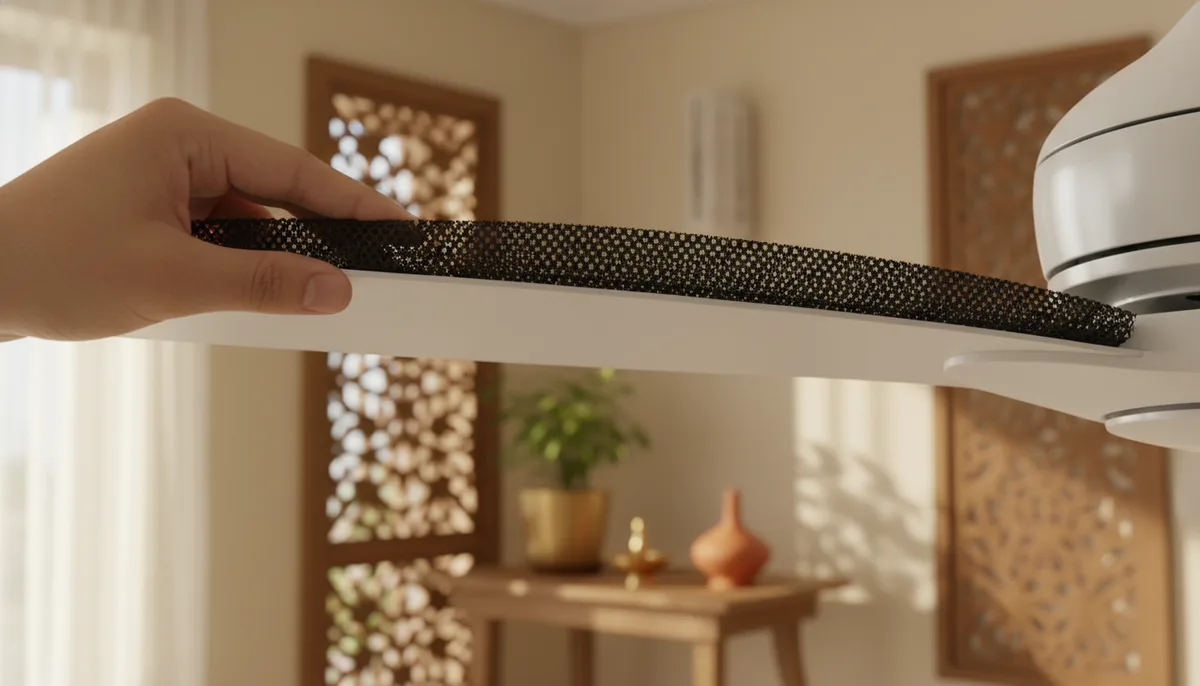
Ceiling fan filters are mesh or fabric panels that attach to the blades of a standard ceiling fan. As the fan pulls air through, the filter catches dust, pet dander, cooking residue, and other particles before they circulate back into the room. The idea is simple: intercept the mess at the source rather than chasing it across every surface in the house.
Activated charcoal versions go one step further. Charcoal has a porous structure that traps odour molecules alongside physical particles. In Indian homes where cooking smells from dal, fish fry, or heavy spices can linger for hours, that is a meaningful difference. The filter is not doing the work of an air purifier - do not expect clinical-grade filtration - but it does reduce the amount of dust and smell cycling through the room over time.
The Activated Charcoal Ceiling Fan Filters from Swivo are designed to fit standard ceiling fans and attach without any tools. You cut them to size if needed, secure them over the blade surface, and let the fan do the rest.
Are They Actually Effective in Indian Conditions?
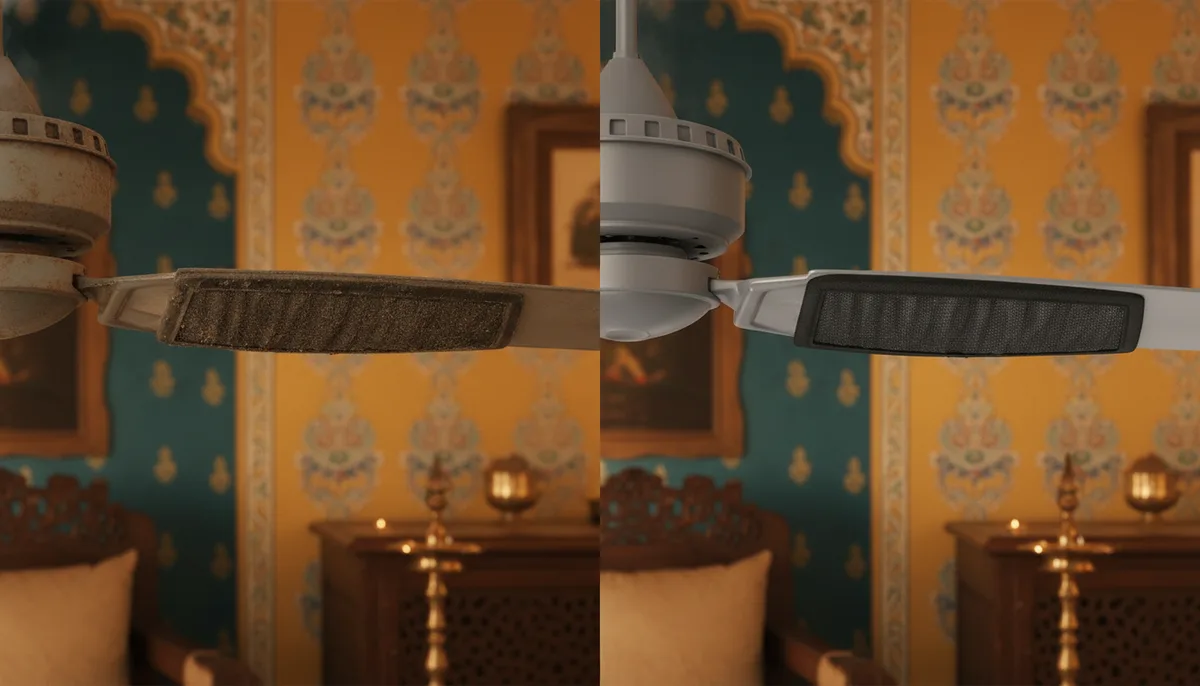
This is the honest question, and the honest answer is: yes, with realistic expectations.
Indian homes deal with a specific combination of challenges that most filter products are not designed around. Hard water evaporation leaves mineral dust. Construction activity nearby adds silica particles. Heavy cooking creates grease that bonds with dust. Monsoon humidity makes everything stickier. A ceiling fan filter works against all of these - but how well it works depends on how often you replace or clean it.
Here is what you can realistically expect:
- Less frequent blade wiping - the filter collects what would otherwise coat the blade itself
- Reduced surface dust accumulation over a few weeks of consistent use - noticeable, not dramatic
- Reduced cooking odour circulation especially in homes with open kitchen layouts
- Cleaner-feeling air in bedrooms where the fan runs overnight
What it will not do: replace regular room cleaning, fix severe dust problems from an external source, or work like a HEPA air purifier. Anyone selling it as the last cleaning tool you will ever need is overpromising.
How to Fit and Maintain Ceiling Fan Filters
Installation is straightforward. Here is the process that works for most standard fans:
- Clean the blades first - wipe them down before fitting the filter. There is no point trapping old grease under a new filter.
- Cut to size if needed - most filters come in a sheet or strip that you can trim to fit the blade width.
- Secure firmly - press the filter flat against the blade surface. Check that the edges are not lifting before switching the fan on.
- Check monthly - hold the filter up to light. When it looks grey and dense, it is time to replace it.
For a kitchen fan or one that runs near a heavy cooking area, expect to replace more frequently - possibly every three to four weeks in peak cooking months. For bedroom fans in a relatively dust-light environment, you might get six to eight weeks before a noticeable drop in performance.
Using Filters as Part of a Smarter Cleaning Routine
Ceiling fan filters work best when they are part of a routine rather than a standalone fix. Think of them as one layer in a system that handles different types of mess at different points.
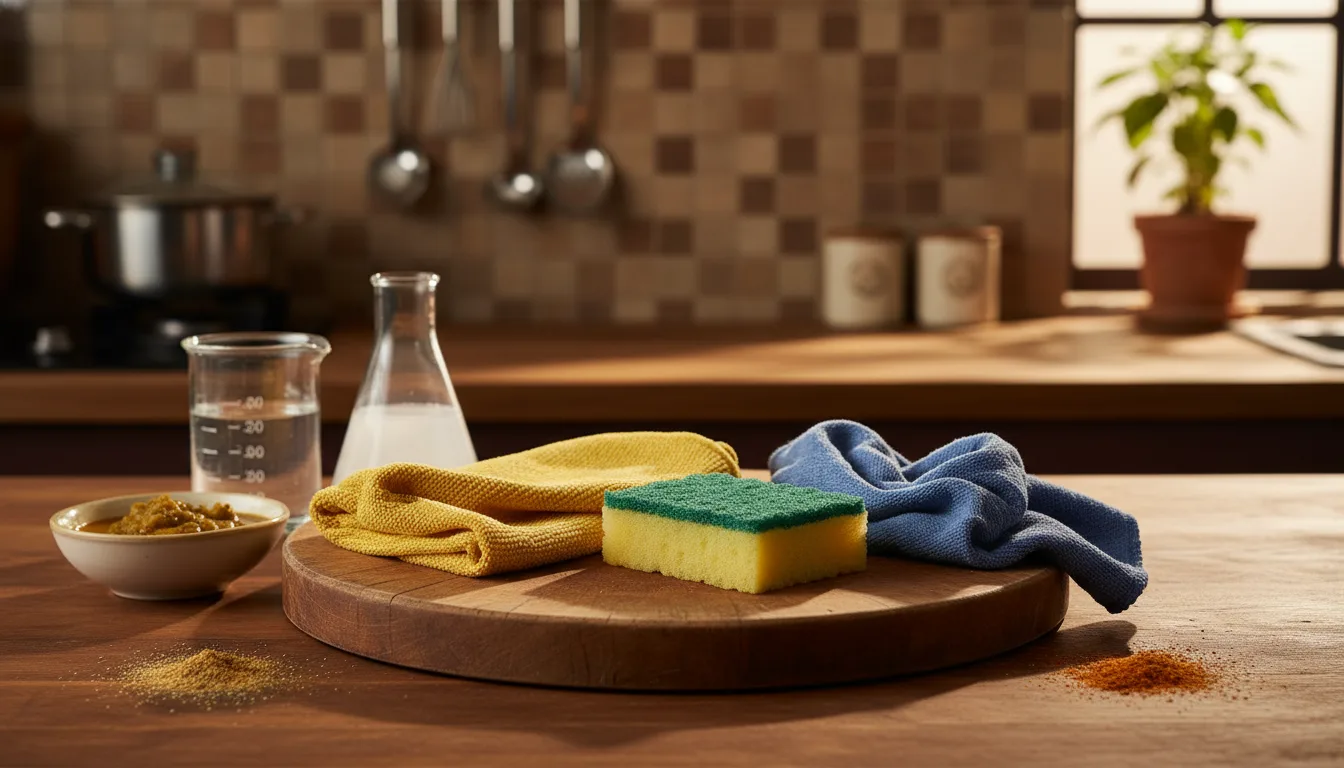
Your blades catch less grime, which means less gets circulated. But whatever does settle on surfaces still needs to be dealt with. For surfaces around the fan - tops of cupboards, TV units, shelves - a good microfibre cloth picks up fine dust without just moving it around. The Magic Cleaning Cloth works well here because it grabs particles rather than scattering them, and you can use it dry for a quick pass or slightly damp for anything with some stick to it.
For kitchen surfaces where cooking grease mixes with fan-circulated dust to create that particular sticky film, you need something with a bit more texture. The Space Sponge handles this well - it cuts through greasy buildup without scratching the surface, and it rinses clean easily between uses. With regular use it lasts around two to three months.
Which Rooms Benefit Most?
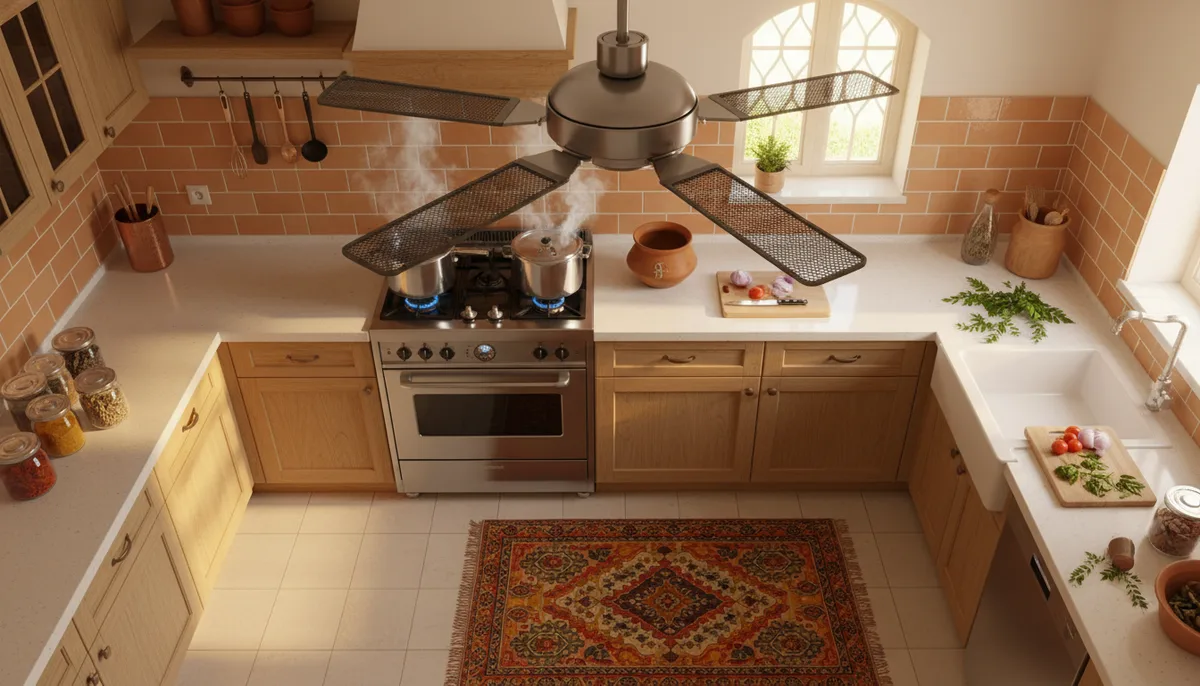
Not every fan in the house needs a filter at the same priority level. Here is a quick breakdown:
Kitchen - Highest Priority
If your kitchen has a ceiling fan, this is where a filter makes the biggest visible difference. Cooking residue accumulates fast, and a fan without a filter becomes a grease distributor. Even with a chimney or exhaust running, a ceiling fan filter will reduce what ends up on your walls, counters, and appliances.
Living Room - Medium Priority
High-traffic areas with lots of foot movement generate more floor dust that eventually goes airborne. A filter in the main room fan reduces what settles back on sofas and cushions. Useful, especially if you have pets or children who sit on the floor.
Bedroom - Worth It for Comfort
Less about visible dust and more about air quality during sleep. If you run the fan overnight, a charcoal filter reduces what you are breathing in during those eight hours. Not a medical claim - just a practical one.
Laundry Connection: The Dust You Do Not See
Here is something that does not get mentioned enough: a lot of what circulates in your home ends up in your laundry. Clothes left out, bedsheets, cushion covers - they all pick up the same particles your fan is moving around. Combining fan filters with a cleaner laundry routine reduces how often you are rewashing things that felt dirty again right after washing.
If you are looking to simplify laundry at the same time, the Laundry Detergent Sheets are worth a look - no measuring, no plastic tub, and they dissolve completely in both warm and cold water. One less mess to manage.
The Bottom Line

Ceiling fan filters are not a magic solution. But in Indian homes where fans run for most of the year and cleaning is a constant battle against dust, grease, and humidity, they are a practical addition to a smart cleaning routine. They reduce how much work the rest of your cleaning has to do - and that is a worthwhile trade for a one-time fit that takes ten minutes.
Start with the fan that runs the most in your home. See the difference over a month. Go from there.