Why Your Cleaning Routine Keeps Falling Apart
Most people do not have a cleaning problem. They have a scheduling problem. Everything piles up until Saturday feels like a full-time job, you clean everything in one exhausting session, and by Wednesday it looks like you never started. Then the cycle repeats.
The fix is not cleaning more. It is spreading the same work across the week so no single day becomes overwhelming. Fifteen to twenty minutes a day beats three hours on one day, every time.
This guide gives you a realistic weekday plan built for Indian households - specifically the kind of home that deals with daily dust, oily kitchen fumes, and the footwear chaos near the front door.
The Core Principle: Zone Cleaning by Day
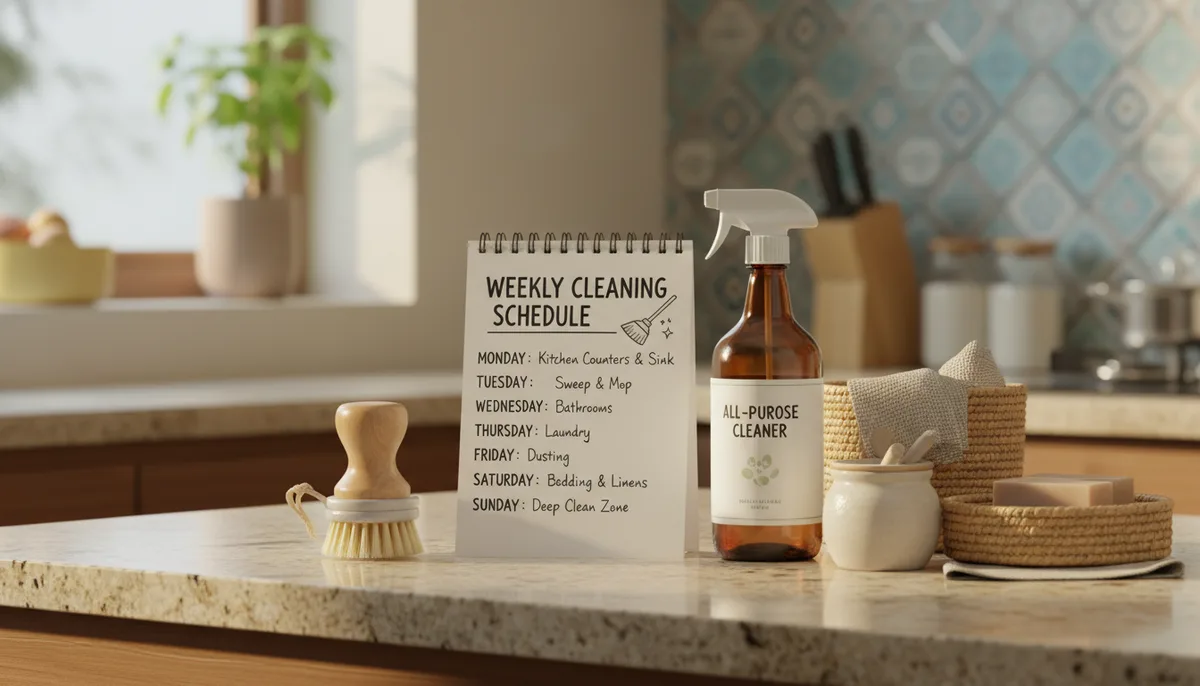
Instead of cleaning the whole house every day (impossible) or once a week (miserable), you assign each zone of your home to a specific day. On that day, you give that zone a proper but quick clean. The rest of the home just gets a daily surface tidy.
Here is how to split it:
- Monday - Kitchen surfaces and stovetop
- Tuesday - Bathrooms
- Wednesday - Floors throughout the home
- Thursday - Living room and common areas
- Friday - Bedrooms and storage spots
- Saturday - Laundry and any catch-up
- Sunday - Rest (yes, actually rest)
Every day, regardless of zone, you do three quick things: wipe the kitchen counter, take out trash if needed, and do a five-minute pickup of anything left out of place. These three habits alone stop clutter from becoming a crisis.
Monday: The Kitchen Gets Real Attention
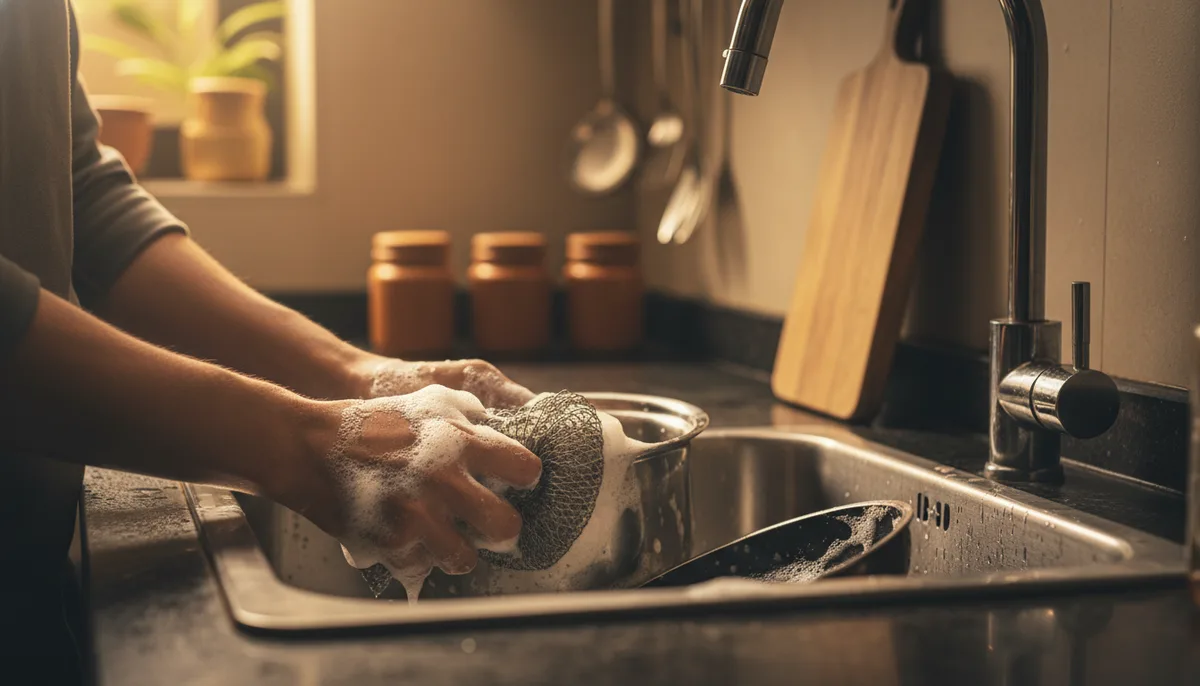
The Indian kitchen is genuinely one of the hardest spaces to maintain. Daily cooking with oil, masala residue, and steam means surfaces get grimy fast. Monday is a good reset after the weekend.
Focus on the stovetop, the area around the hob, the backsplash, and the sink. Do not try to clean every cabinet and shelf - that is for deep clean days. Just get the surfaces that see daily action.
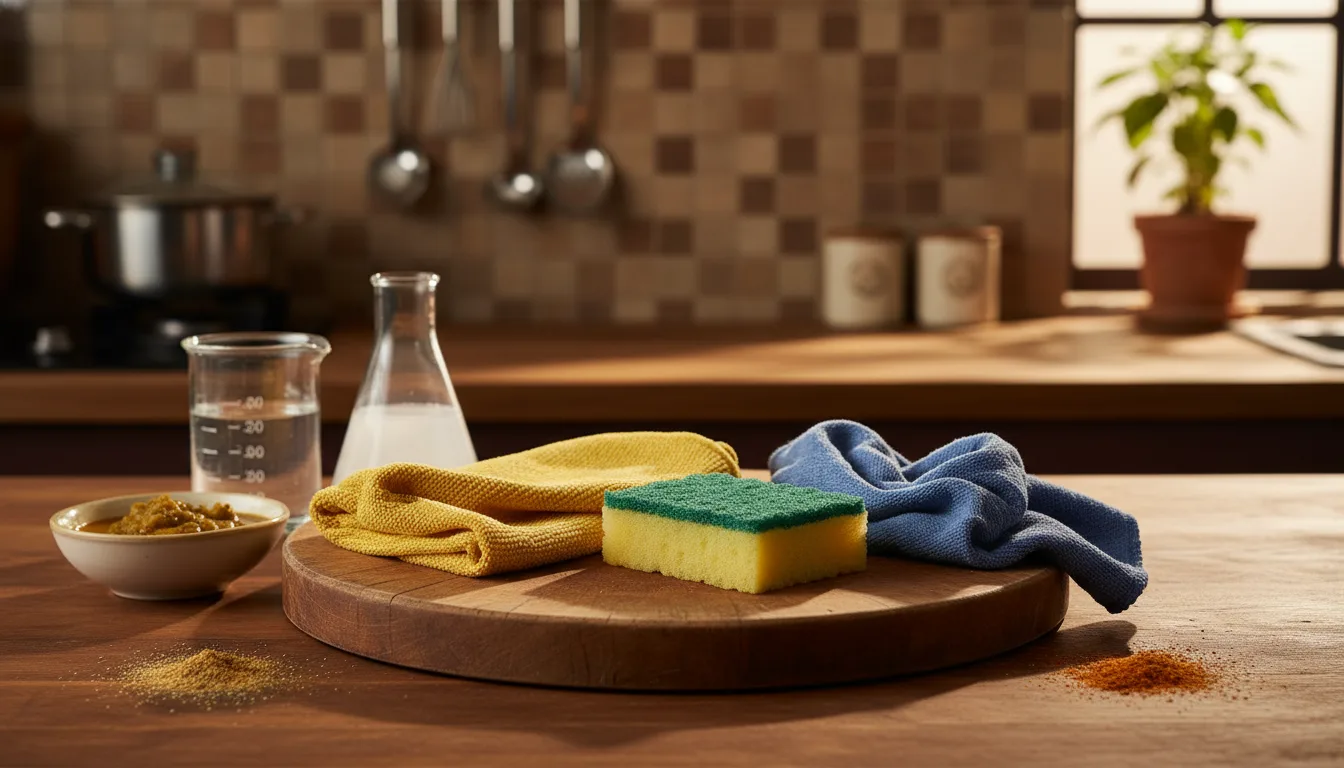
For the sink and steel utensils, something that scrubs without scratching is important. The Multipurpose Wire Dishwashing Rags handle both wet scrubbing and dry wiping, which is useful when you are switching between tasks in a hurry. They work on vessels, the sink basin, and even the stovetop grates without leaving scratch marks on steel.
Keep Monday kitchen cleaning to twenty minutes. If it is taking longer, you are doing too much at once - break it into surface clean and deep clean separately.
Tuesday: Bathroom Without the Dread
Nobody enjoys cleaning the bathroom, but it becomes far less unpleasant when you are doing it weekly instead of monthly. A bathroom that gets weekly attention takes about fifteen minutes. One that has been ignored for three weeks takes forty-five.
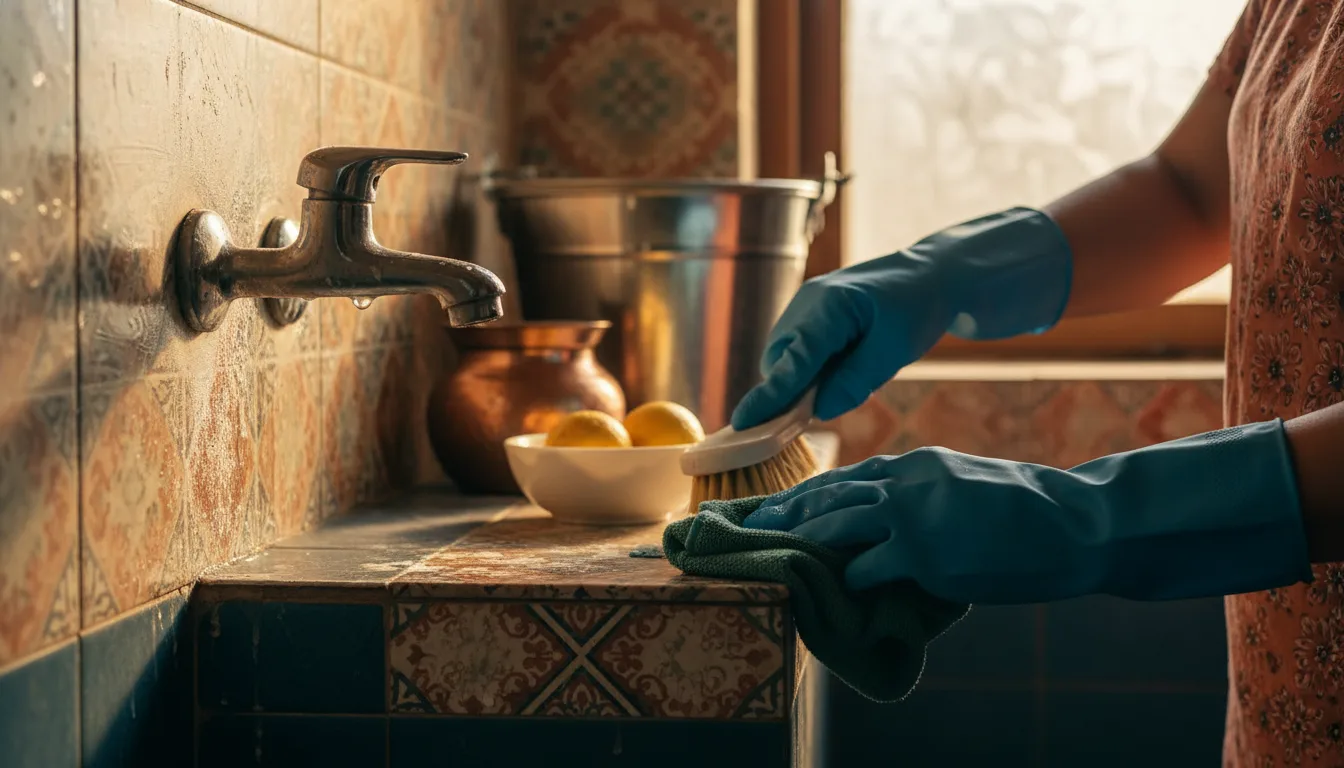
Wipe down the counter, clean the mirror, scrub the toilet, and mop the floor. The tiles and the area around the tap are where hard water shows up most visibly - white chalky deposits that look worse than they are. A wet cloth with a small drop of dish soap gets rid of recent buildup quickly. For older deposits, a little white vinegar on a cloth left for five minutes before wiping works well.
If you use a cleaning concentrate, it stretches further than you think. The Sutra Cleaning Kit is plant-based and safe around kids and pets, which matters in bathrooms that get a lot of foot traffic from the whole family.
Wednesday: Floors Done Properly

Wednesday is floor day. In most Indian homes, floors need sweeping or vacuuming before mopping - skipping the dry step just pushes dust around in muddy water.
Sweep or dry-mop first. Then mop with clean water and a small amount of floor cleaner. The order matters: if you mop without sweeping, you are just spreading debris.
For homes with vitrified tiles or marble, wring out the mop well before it touches the floor. Overly wet floors take forever to dry and leave water marks. A well-wrung mop leaves the floor damp, not soaked, and it dries in minutes.
If your current mop leaves streaks or the pads wear out quickly, look at the Mop Pads (Pack of 5) as a replacement option. Having backup pads means you are not stuck doing floors with a pad that stopped absorbing water months ago.
Thursday: Living Room and Common Areas
This is the zone most guests see first, so it pays to keep it consistent. Thursday works well because the weekend is close enough that the space stays presentable through Saturday.
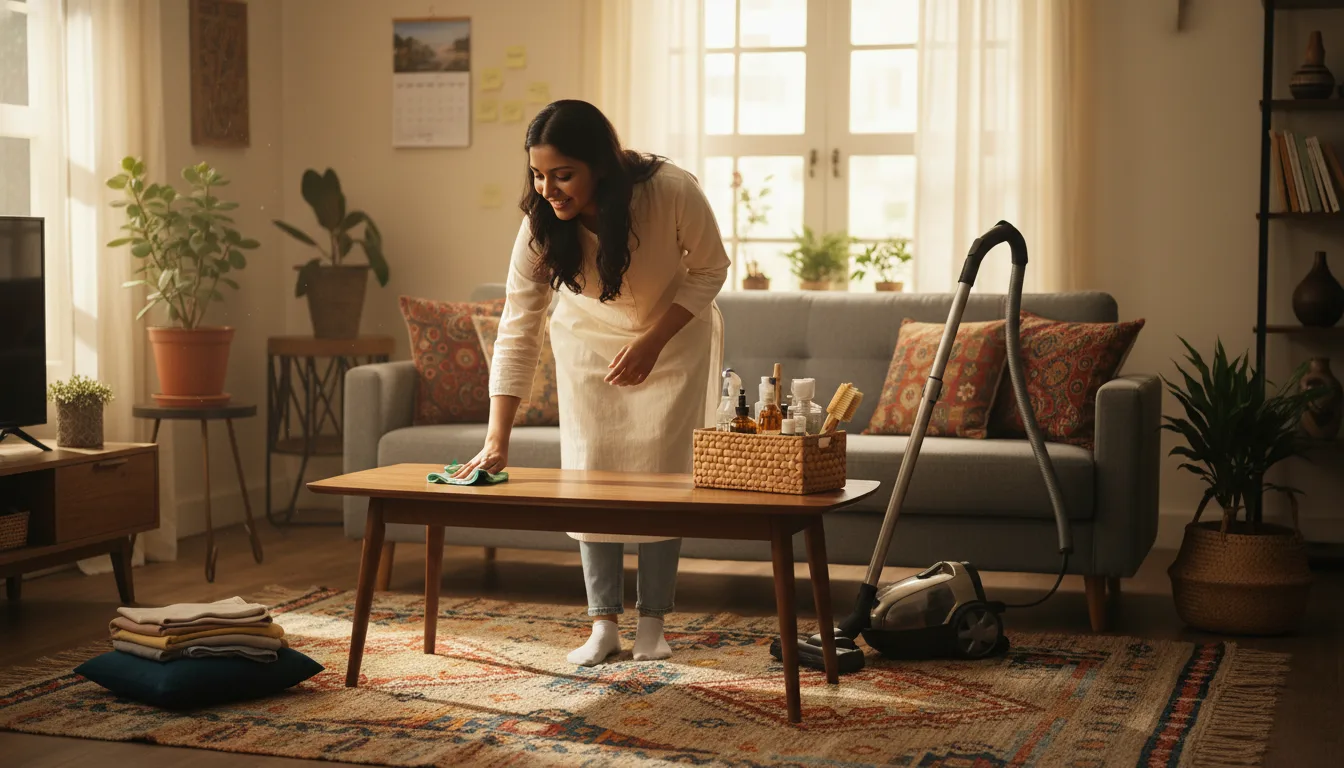
Dust the shelves, wipe the TV unit, clean the sofa cushions if they need it, and check the area near the front door. In many Indian homes, the entryway collects footwear, bags, and random items that do not have a permanent home. Thursday is a good time to sort that pile before it becomes furniture.
For dusting surfaces and glass, a good microfibre cloth makes a visible difference. The Magic Cleaning Cloth picks up dust without pushing it into the air, which is useful if anyone in the home has dust sensitivity. It works dry on most surfaces and damp on glass or mirrors without leaving lint.
Friday: Bedrooms and Storage
Bedrooms get less visible dirt than kitchens or bathrooms, but they collect dust on surfaces, under beds, and on fans. Friday is a lighter cleaning day by design - it should feel manageable after a full week.
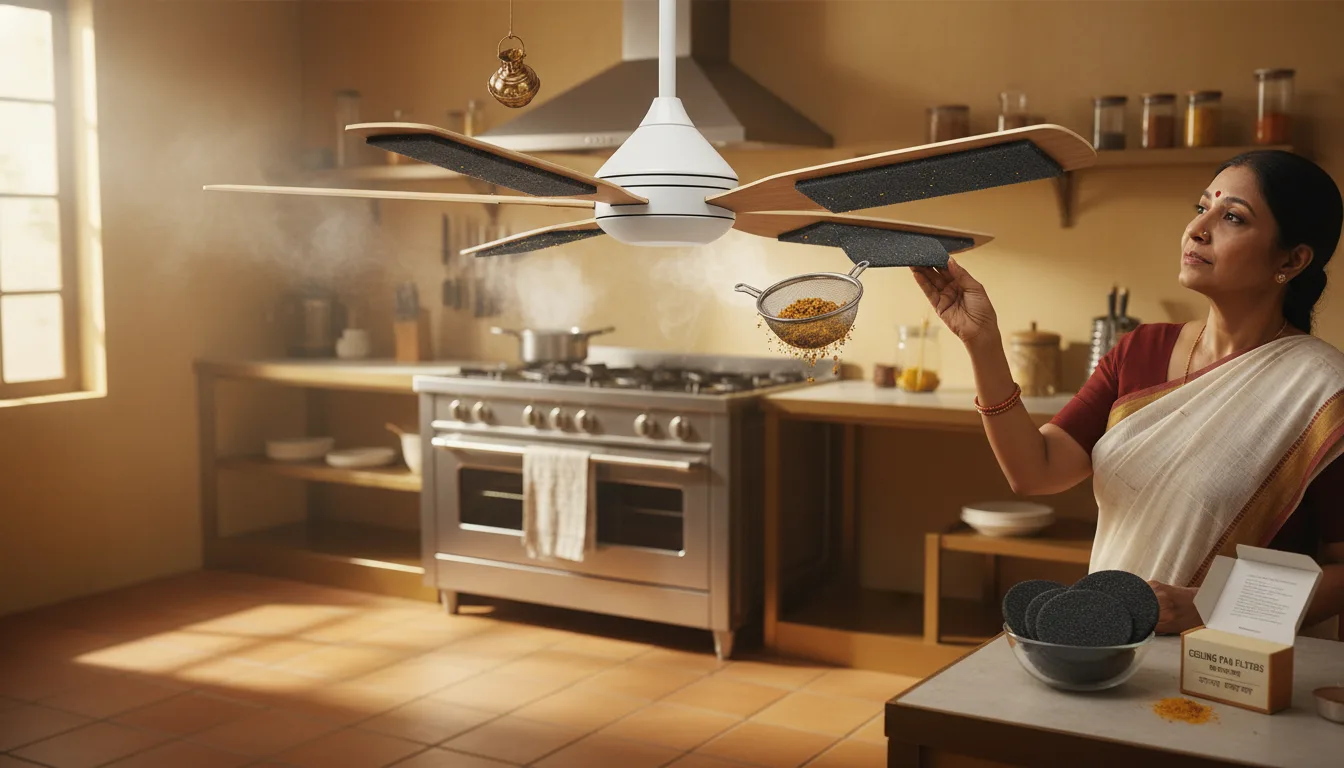
Strip and remake the bed if it is your weekly linen change day. Dust the furniture, wipe down the fan blades if you can reach them safely, and clear any surfaces that have become collection points for miscellaneous items.
Check inside cupboards or wardrobes once a fortnight rather than weekly - they do not need weekly attention but benefit from occasional reorganisation.
Saturday: Laundry and Catch-Up
Saturday handles what the week missed. Maybe one zone got skipped. Maybe guests arrived mid-week and the living room needs a redo. This is the buffer day.
Laundry is also a good Saturday task because it runs in the background while you do other things. If you have not tried detergent sheets, they are worth considering for smaller loads or travel bags - no measuring, no heavy liquid bottle. Once you get the format, you will not want to go back to the cup-and-pour routine.
The Tools That Make the Routine Faster
The right tools are not about buying more things. They are about having fewer, better things that do the job properly so you spend less time re-cleaning.
A few things that consistently make weekly routines faster:
- Microfibre cloths that actually absorb rather than smear
- A mop setup with a proper wringer so floors dry fast
- A scrubbing option that does not scratch
- A concentrate cleaner so you are not buying a new bottle for every surface
If your current tools are adding to your cleaning time rather than reducing it, that is where to start. Most people are not cleaning wrong. They are using tools that make every task harder than it needs to be.
Making the Routine Stick Long-Term
The biggest reason cleaning routines fail is that they are built for a perfect week. Work gets busy, guests show up, power cuts happen during your mopping session. Build in flexibility from the start.
If you miss a zone day, do it the next day and skip that day's zone instead. Do not try to catch up by doubling a session - that is how you burn out and abandon the whole routine again.
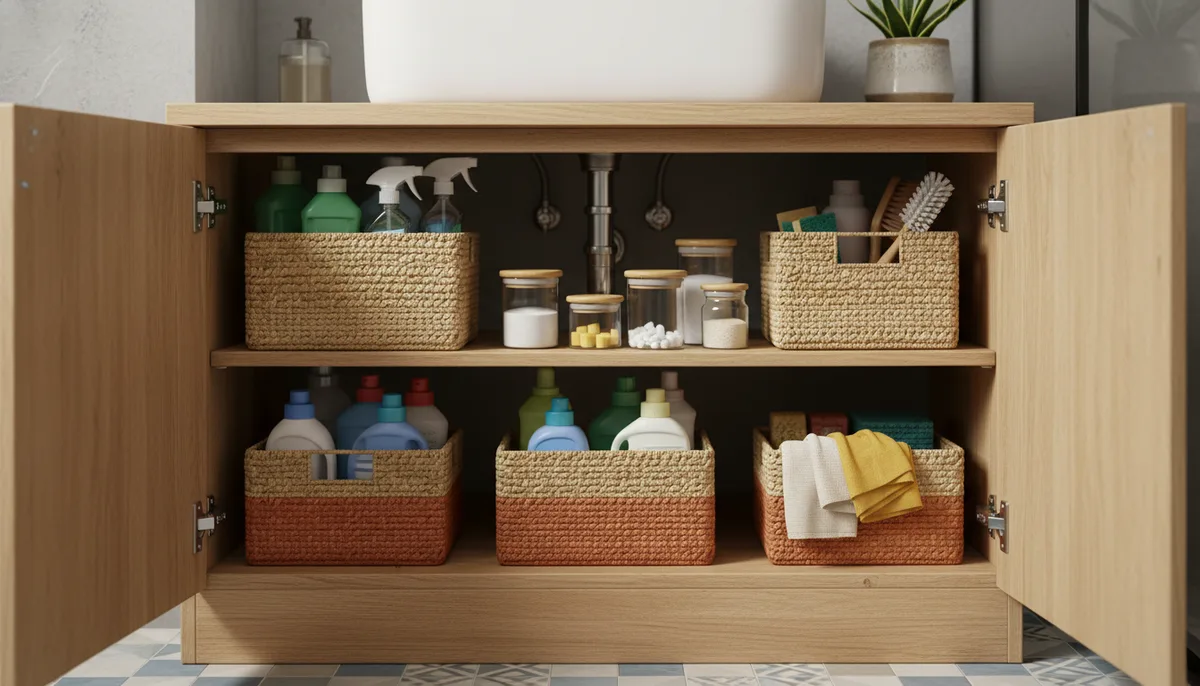
Keep your cleaning supplies in or near the zone they serve. Bathroom supplies in the bathroom cabinet, kitchen supplies under the sink. The fewer steps between you and the task, the more likely you are to actually do it.
After four to six weeks of following this structure, it stops feeling like a routine and starts feeling like just how things get done. That is the goal.