Why Your Cleaning Tool Choice Matters More Than You Think
Most of us grab whatever is under the sink without thinking twice. An old cotton rag, a cheap yellow sponge, maybe a rough scrubber that's slowly scratching your steel vessels. The tool seems like a small decision - until you notice your sink still looks grimy after wiping, or your microfibre cloth is falling apart after three washes.
Indian homes have specific demands. Heavy cooking with oil and masala residue. Hard water that leaves mineral deposits on every tap and surface. Dust that settles daily, especially if you're near a main road. Humidity during monsoon that makes sponges go sour in days. What works for a dry climate or a light-cooking household won't cut it here.
This guide breaks down the three main types of cleaning tools - cloths, sponges, and rags - and tells you exactly where each one performs well, where it fails, and which surfaces to match them with.
Cleaning Cloths: Best For Everyday Surface Wiping
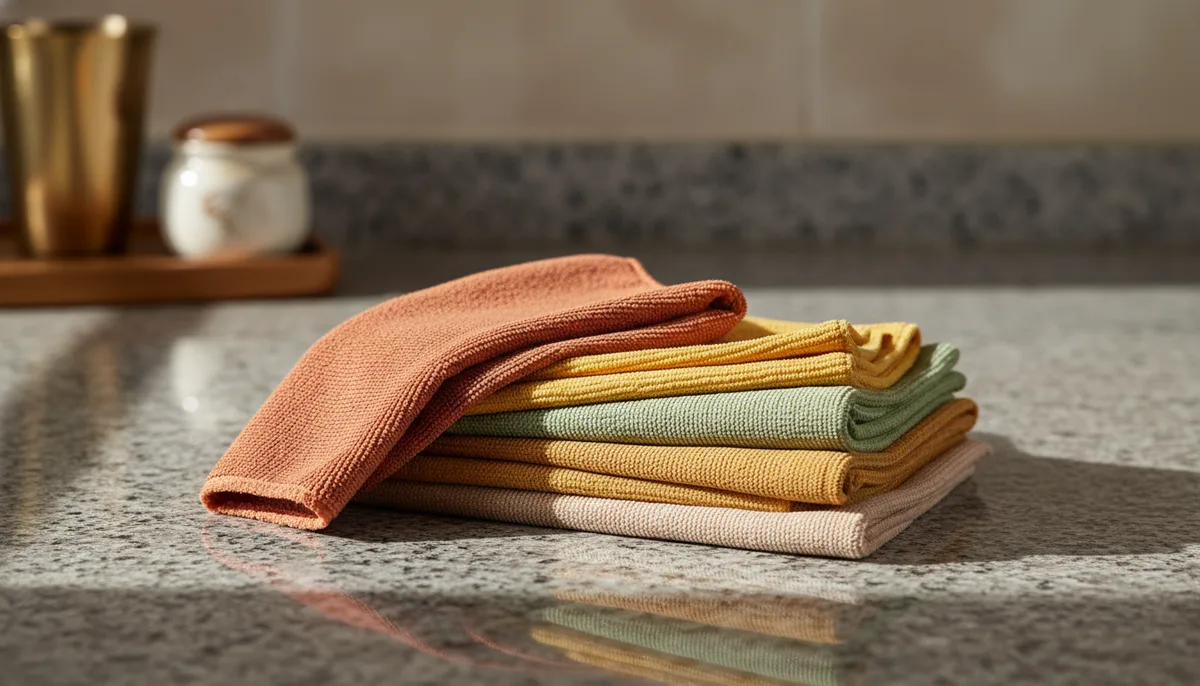
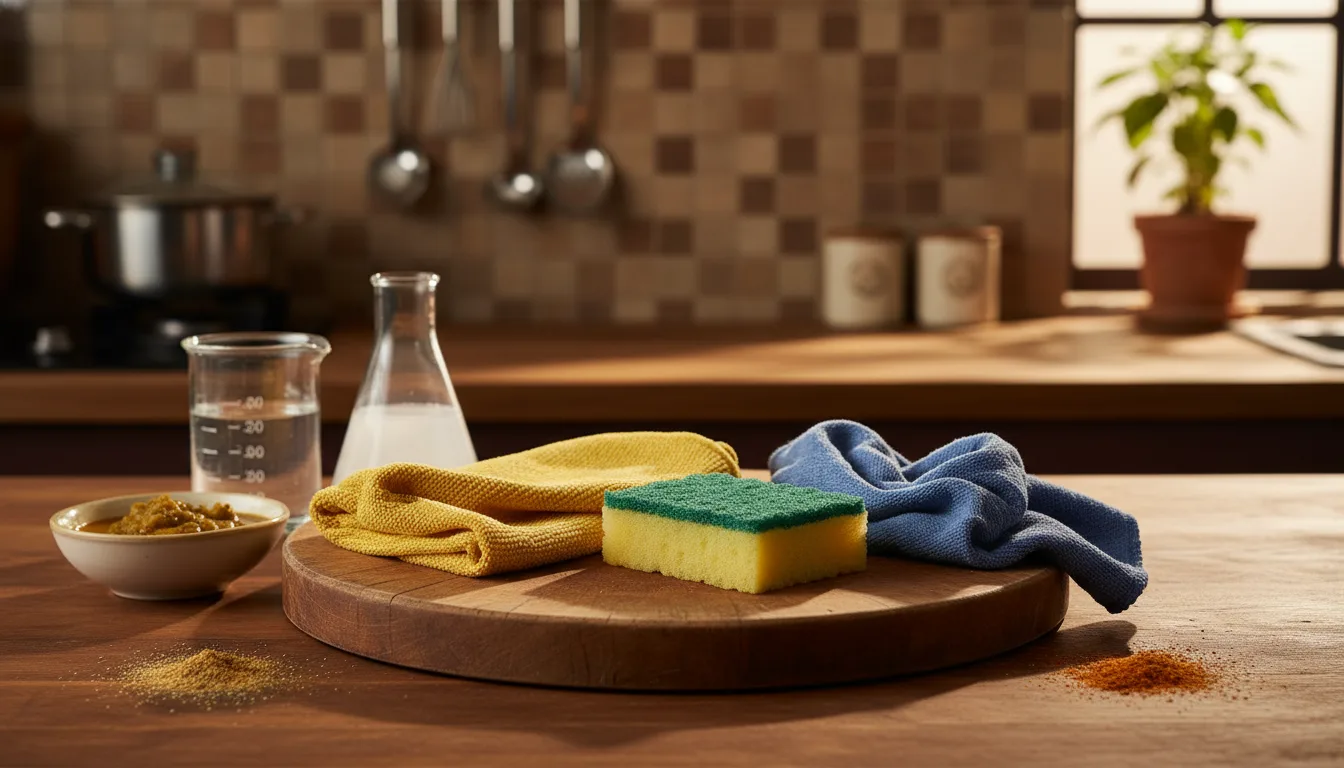
A good cleaning cloth is probably the most versatile tool in your home. The key word is good. The thin cotton dusters that come in a pack of ten for fifty rupees are not the same as a proper microfibre or hybrid cloth designed to actually lift dirt instead of just pushing it around.
Here's what a quality cloth handles well:
- Countertops, dining tables, and shelves where you need a streak-free finish
- Glass and mirrors without leaving behind lint
- Stainless steel appliances and fixtures
- Quick spill cleanups in the kitchen
- Electronics and TV screens when dry
Where cloths fall short is on anything with stuck-on grime. If your gas burner has dried dal splattered on it, or your bathroom tiles have soap scum buildup, a flat cloth alone won't do it. You'll need some pressure and texture.
The Space Cloth is a practical choice here. It's designed for Indian surfaces and works well with just water for most daily wiping tasks. No need to soak everything in cleaner just to wipe down a counter.
Sponges: Good for Dishes, Tricky for Everything Else
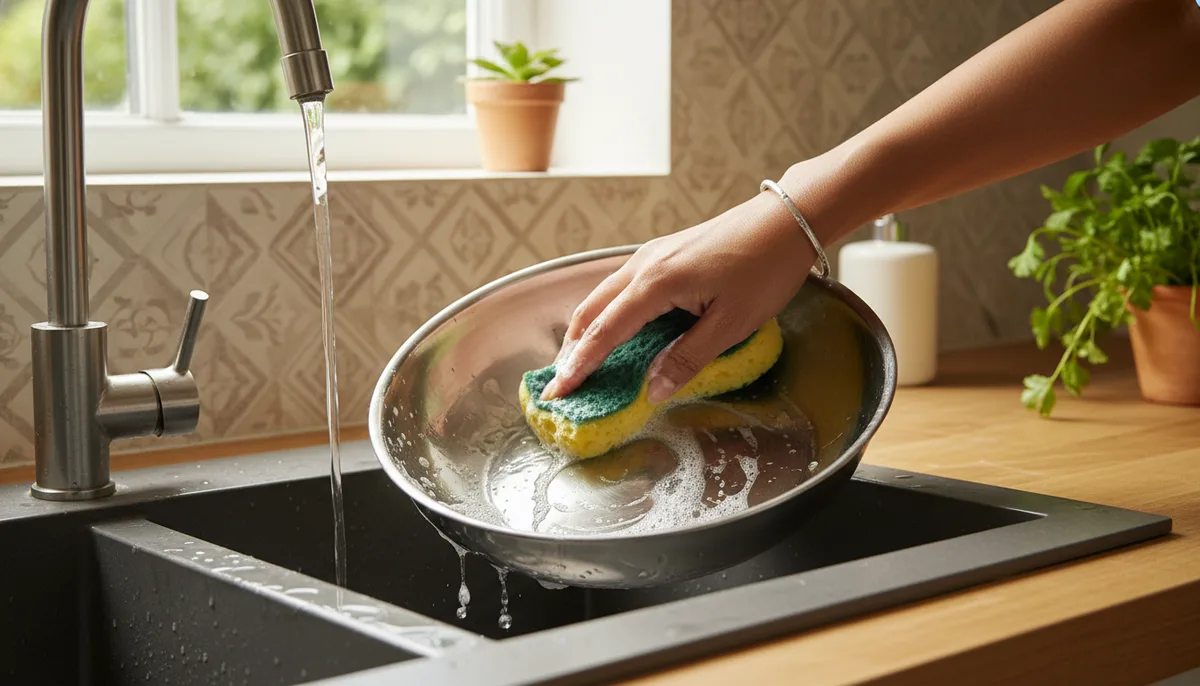
The humble kitchen sponge gets misused constantly. People use the same one for dishes, for counters, for wiping stovetops - and then wonder why the kitchen smells off. Sponges have a basic flaw: they're porous, which means they hold onto food particles, moisture, and bacteria. In Indian kitchens with heavy use, a sponge can go bad in under a week if you're not rinsing and drying it properly after every use.
That said, when used correctly, a sponge has real advantages:
- The scrubbing side handles cooked-on residue in vessels and pans
- Good for soaking up water from sink areas
- Soft side is gentle enough for coated or non-stick cookware
The problem is most cheap sponges disintegrate quickly. The scrubber layer peels off, the foam crumbles, and you end up replacing them every couple of weeks. That adds up.
The Space Sponge is built to last longer - expect two to three months of regular use if you rinse it and let it air dry after each session. For Indian kitchens that see twice-daily cooking, that's a reasonable lifespan for a sponge.
Rags and Scrubber Cloths: Where the Heavy Work Gets Done
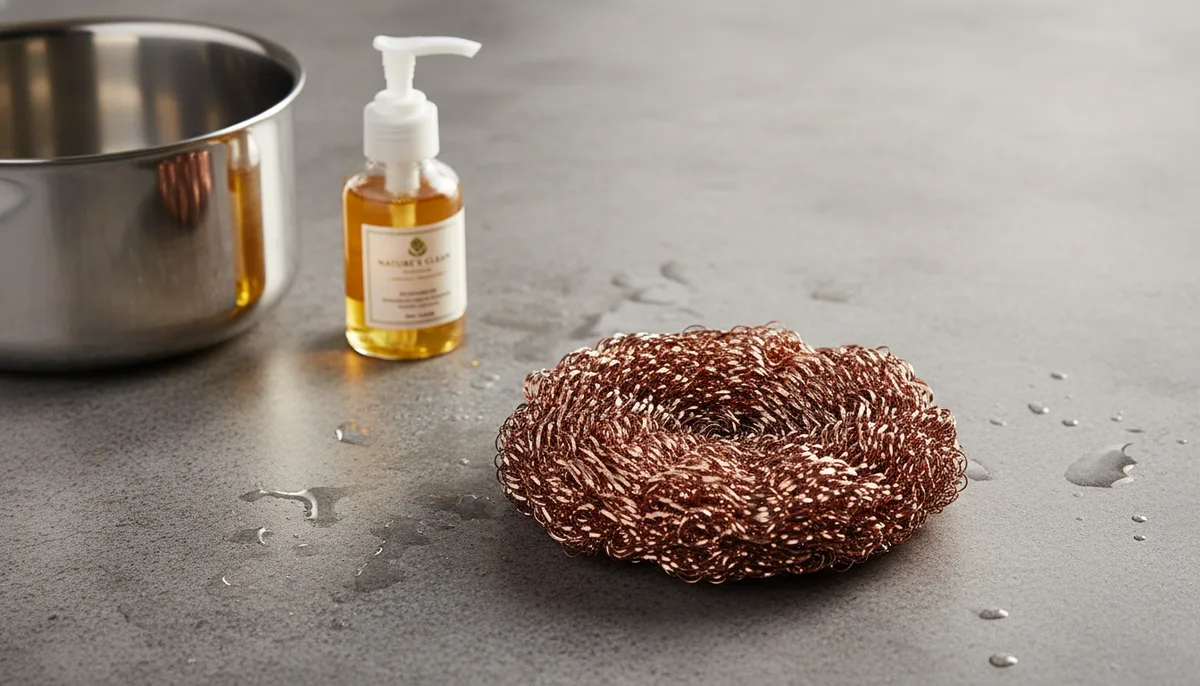
Rags occupy an interesting middle ground. Old cotton rags are free (you've probably got them), but they're inconsistent. Some are absorbent, some aren't. They shed threads. They don't have any scrubbing ability. They work fine for mopping up large spills on the floor but aren't precise enough for kitchen cleaning or vessel scrubbing.
Purpose-built scrubber rags are a different story. These combine a cloth-like structure with a wire mesh or textured surface, giving you both absorption and scrubbing in one piece. For Indian households that deal with burnt milk on steel vessels, heavy masala residue in kadais, or greasy stovetops, this type of tool does what neither a cloth nor a regular sponge can.
A few places where scrubber rags earn their keep:
- Steel and iron cookware with baked-on residue
- Stovetop grates and surrounding surface
- Sinks with hard water staining
- Bathroom tiles and grout lines
The Multipurpose Wire Dishwashing Rags are designed for exactly this - wet scrubbing on vessels and dry dusting on surfaces. One tool that does both without shredding after a week of use.
How to Match the Right Tool to the Right Surface
This is where most people go wrong. They grab the nearest thing and use it on everything. Here's a simple guide:
Kitchen Surfaces
- Countertops after cooking: Damp cloth, squeeze excess water out first. No need for scrubbing on a clean granite or marble surface.
- Steel vessels and kadais: Scrubber rag or the rough side of a sponge. Add a drop of dish soap for oily residue.
- Gas stovetop (daily): Damp cloth for fresh spills. Scrubber rag for anything that's been sitting.
- Cutting boards and sink: Sponge with soap. Rinse thoroughly after.
Bathroom Surfaces
- Mirror: Dry microfibre cloth or a damp cloth wrung out well. Avoid anything too wet.
- Tiles and hard water deposits: Scrubber rag or a sponge with an acidic cleaner (even diluted vinegar works).
- Toilet exterior and sink: A dedicated cloth you don't use anywhere else. Label it or keep it in a different colour.
Living Room and Bedrooms
- Furniture, shelves, TV cabinets: Dry or lightly damp cloth. A microfibre cloth works best here because it traps dust instead of just redistributing it.
- AC vents and fan blades: Dry cloth, careful pressure. Fan blades tend to collect thick dust in Indian homes - a slightly damp cloth picks it up better than a dry one.
Lifespan and When to Replace
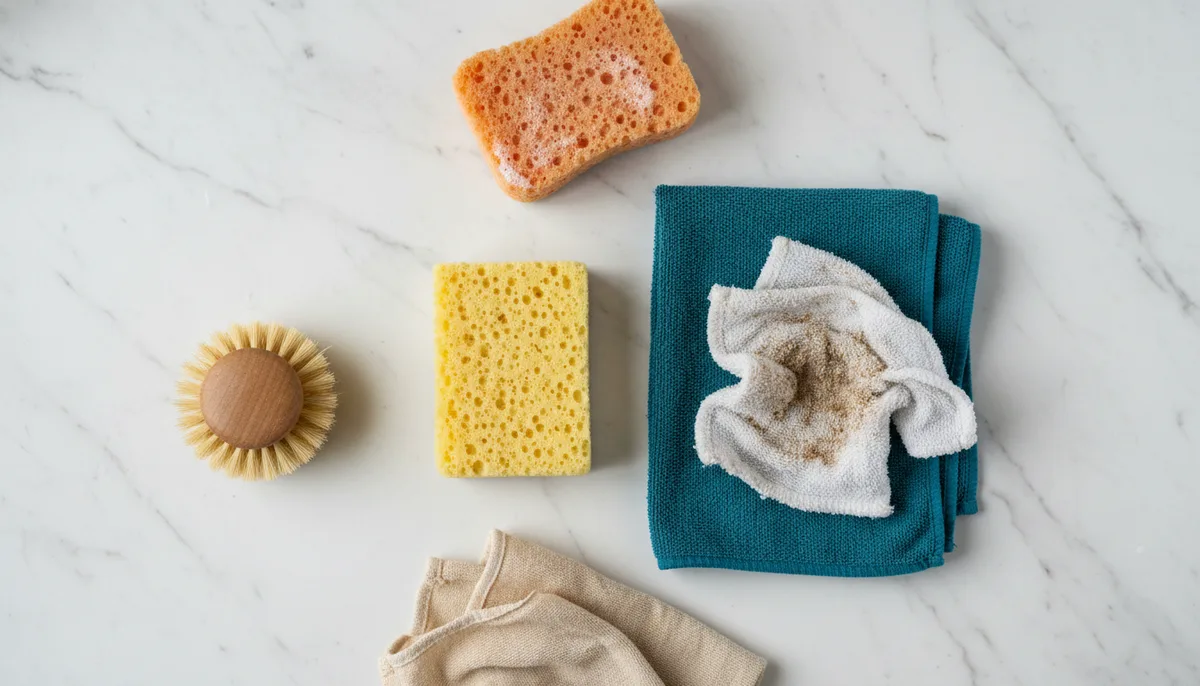
This is an area where most households bleed money without realising it. Here's a rough guide based on average Indian household use:
- Cheap cotton rags: 2-4 weeks before they're too rough or shredded to use cleanly
- Standard yellow sponge: 1-2 weeks in a high-use kitchen before they start smelling or falling apart
- Quality sponge (like the Space Sponge): 2-3 months with proper rinsing and air-drying
- Microfibre or quality cloth: 6 months to a year if washed regularly (hand wash or machine wash on gentle)
- Wire scrubber rags: Varies, but a good set should handle 4-8 weeks of daily dish use
The pattern is simple: the more you pay upfront for a quality tool and the better you maintain it, the less you spend over the course of a year. A cheap sponge at twenty rupees that lasts ten days costs more annually than a quality one at two hundred that lasts ten times longer.
One Last Practical Note
Keep your tools separate. Kitchen cloths in the kitchen, bathroom cloths in the bathroom. Use different colours if needed. Cross-contamination is a real issue and it's an easy fix. Also, hang your sponge and cloths somewhere they can actually dry between uses - not stuffed under a wet sink. Indian humidity, especially from June through September, turns a damp sponge into a breeding ground fast.
The goal here isn't a perfect cleaning toolkit that looks good in a reel. It's tools that do their job, last a reasonable amount of time, and don't leave you re-cleaning the same surface twice. Match the tool to the task, maintain it properly, and you'll notice the difference pretty quickly.