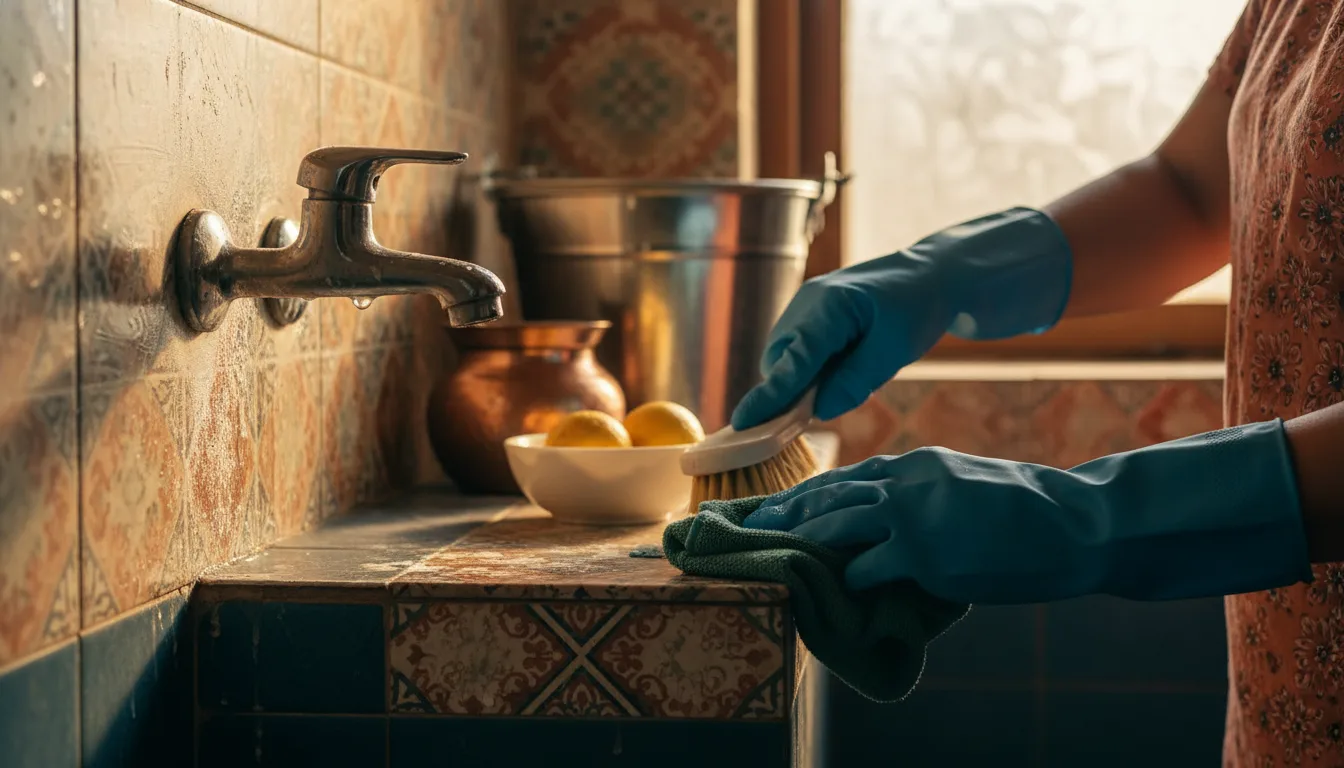
Why Hard Water Is Such a Big Problem in India
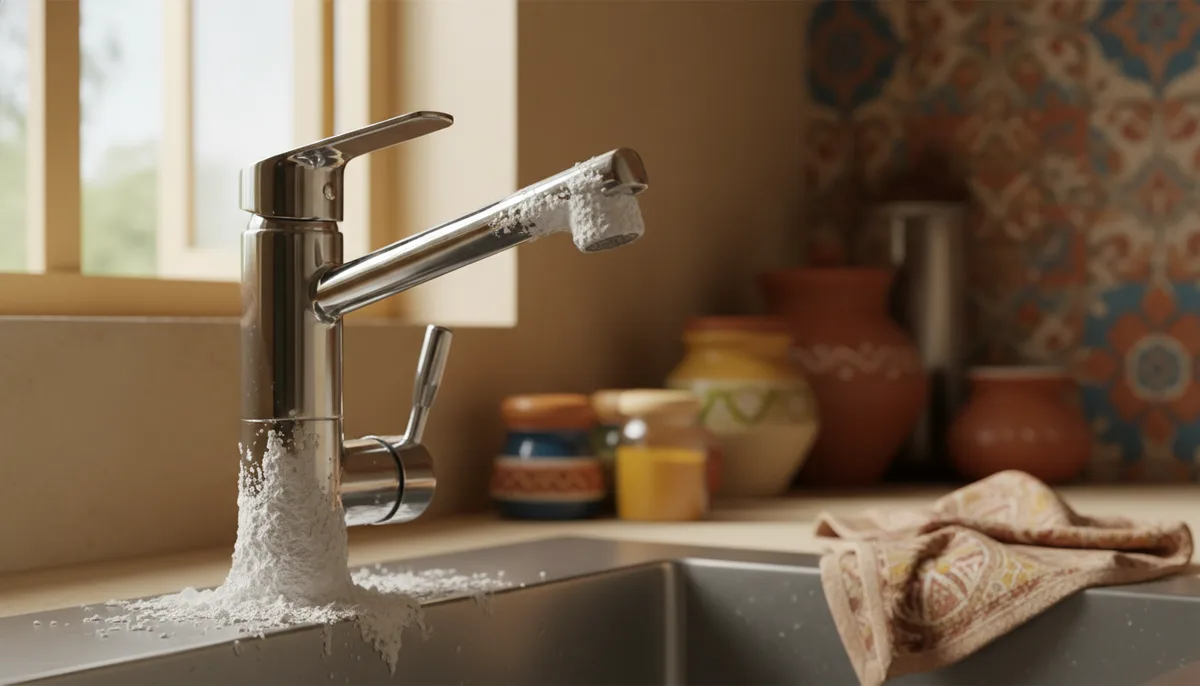
If you live in Delhi, Bangalore, Chennai, Pune, or most parts of northern India, your municipal water supply is hard. That means it carries dissolved minerals - primarily calcium and magnesium - that leave behind a white, chalky residue every time water dries on a surface. Over a few days, these deposits build up into a stubborn crust that regular soap and a standard cloth just won't budge.
The problem is worse in Indian kitchens and bathrooms than almost anywhere else in the world. We cook with a lot of water, we have large families using sinks and taps constantly, and in many cities the TDS (Total Dissolved Solids) readings in tap water are well above the 300 ppm mark where limescale starts becoming noticeable. Add hard water to a gas stovetop that deals with daily dal and curry splatter, and you have a surface that can look grimy within 48 hours of cleaning.
Understanding why the stains form is half the battle. Once you know what you're dealing with - mineral deposits, not dirt - you can stop reaching for more soap (which doesn't dissolve minerals) and start using the right approach.
The Surfaces Most Affected in Indian Homes
Hard water stains show up in predictable places. Here's where to focus your attention:
- Stainless steel sinks and utensils: The most common complaint. Steel looks dull and spotty within days even after wiping.
- Bathroom taps and faucets: White crust collects around the base of the spout and inside the aerator, reducing water pressure over time.
- Glass shower panels and mirrors: Cloudy white film that makes glass look permanently dirty even right after cleaning.
- Floor and wall tiles: Grout lines and tile surfaces near the floor drain or shower area develop a grey-white haze.
- Washing machine drums and inlet pipes: Limescale builds up inside the drum, affecting wash quality and machine lifespan.
The Right Way to Remove Hard Water Stains
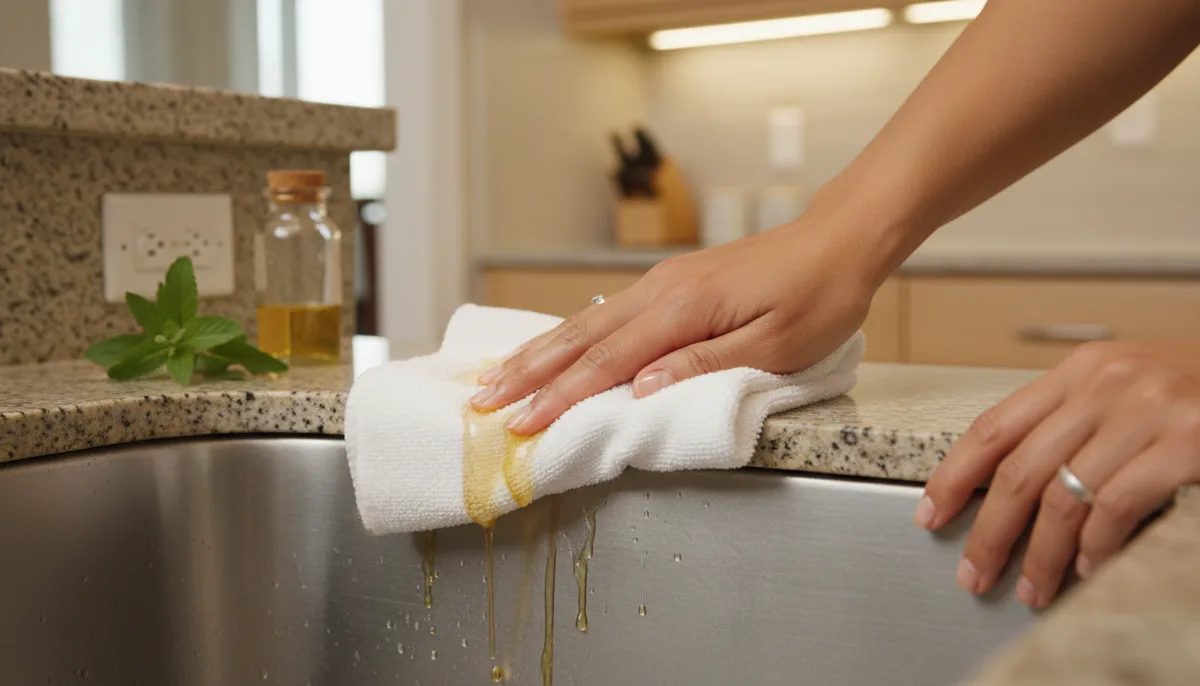
Most people attack hard water stains with more scrubbing. That's the wrong move - especially on steel, chrome fittings, and glass where aggressive scrubbing leaves micro-scratches. The correct approach is chemical dissolution followed by gentle mechanical action.
Step 1: Use an Acid-Based Solution
Mineral deposits are alkaline. To dissolve them, you need a mild acid. In most Indian kitchens, that means one of three things:
- White vinegar: The go-to option. Soak a cloth in undiluted white vinegar, press it against the stained surface, and leave it for 10-20 minutes before wiping off.
- Lemon juice: Works similarly to vinegar and smells better. Particularly useful on taps and small fixtures.
- Diluted citric acid powder: Available at grocery stores and chemists. Mix one teaspoon in 200ml of water for a concentrated solution that handles tougher deposits.
For a concentrate that does the heavy lifting without you having to mix and dilute every time, a product like the Sutra Cleaning Kit works well - it's plant-powered, non-toxic, and safe around kids and pets once the surface is rinsed, which matters when you're cleaning kitchen surfaces that food will touch.
Step 2: Wipe With the Right Cloth
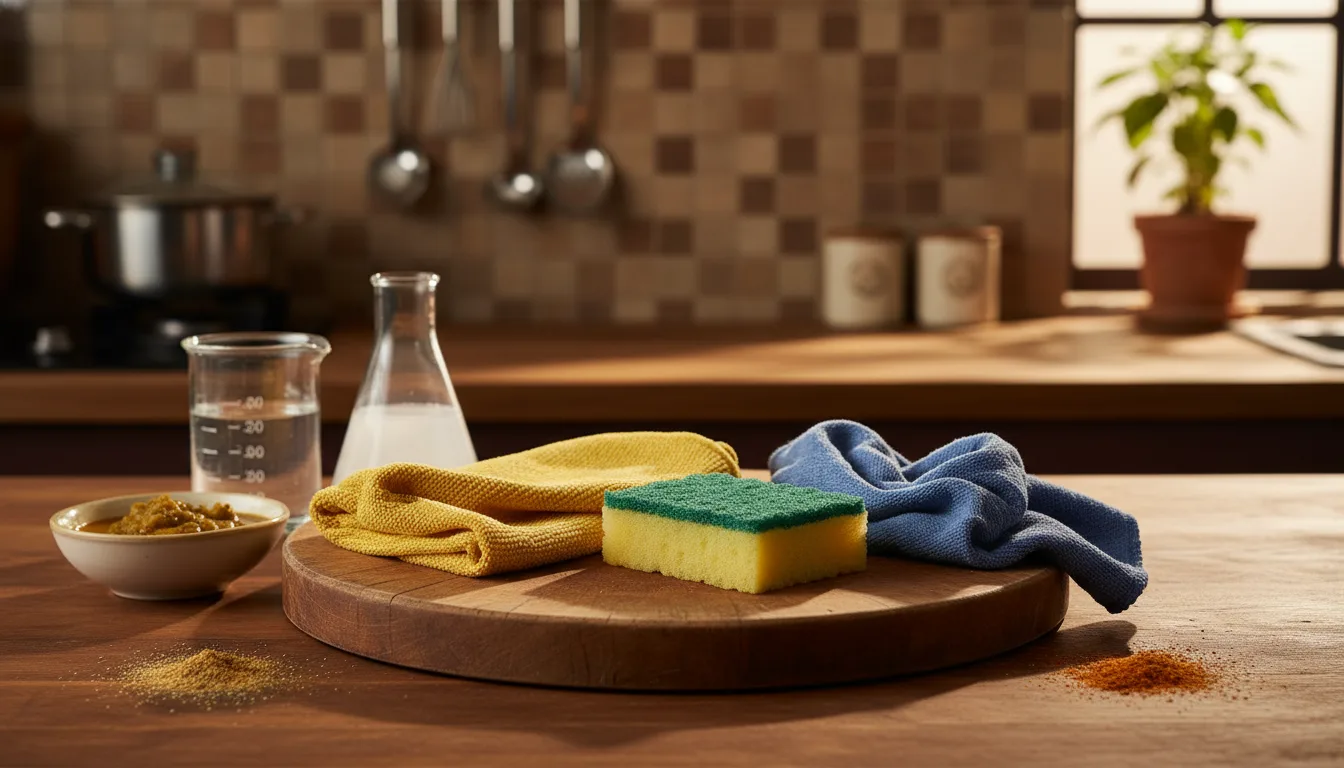
After the soaking step, what you wipe with matters as much as what you soaked with. Paper towels leave lint. Old cotton cloths smear the residue around. A microfibre cloth with the right weave will lift the loosened mineral deposits cleanly without scratching.
The Magic Cleaning Cloth is worth keeping specifically for this job. The surface texture is designed to grab and lift particles rather than push them across the surface, which makes a visible difference on glass and steel. On steel sinks, wipe in the direction of the grain to avoid leaving visible swirl marks.
Step 3: Dry the Surface Immediately
This is the step people skip, and it's why the stains come back within 24 hours. Hard water stains don't form slowly over weeks - they form every time water is left to air-dry on a surface. After cleaning and wiping, do one more pass with a dry cloth to remove any remaining moisture. On bathroom mirrors and glass panels, a quick dry wipe after every use is genuinely the most effective prevention strategy available.
Tackling Specific Problem Areas
Stainless Steel Sinks and Utensils
Steel is both the most common surface in Indian kitchens and the most sensitive to abrasive scrubbing. For daily maintenance, a quick wipe with a damp Space Cloth after washing up is usually enough to prevent buildup. For existing deposits, apply diluted vinegar, wait 10 minutes, then wipe in the direction of the steel grain. Rinse thoroughly and dry immediately. The steel will look noticeably more polished within one session.
Taps and Fittings
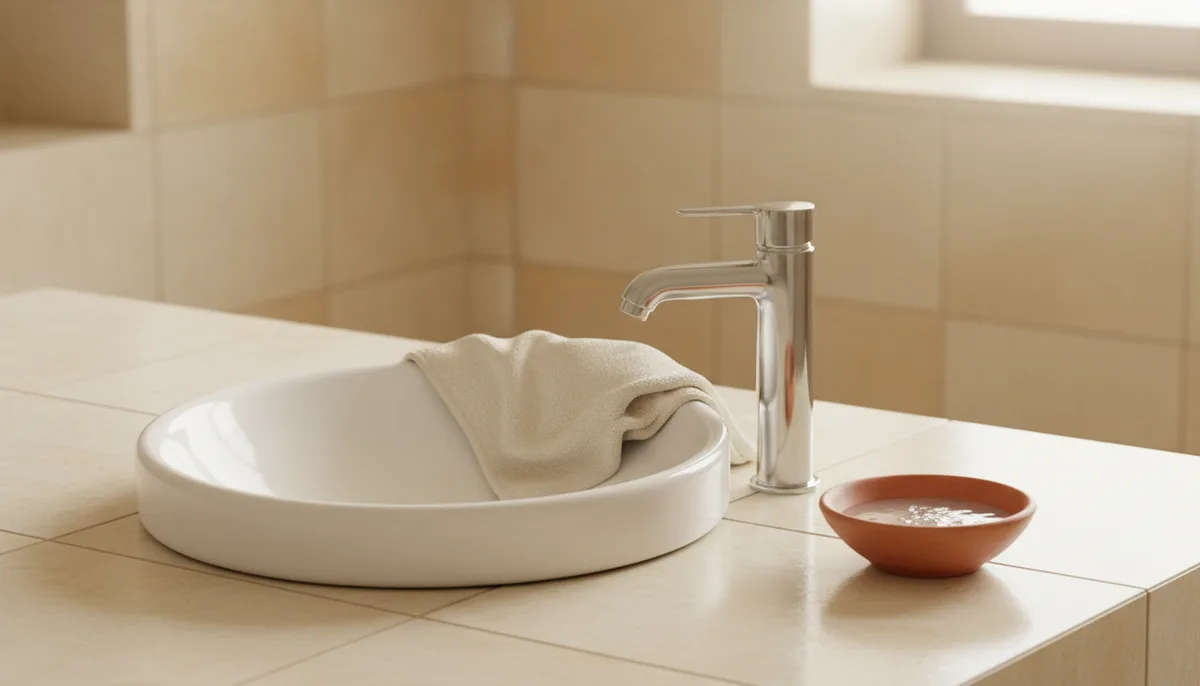
Chrome taps are delicate. Never use steel wool, abrasive pads, or rough scrubbers on them - the chrome plating scratches easily and once scratched, it rusts. Soak a cloth or small towel in vinegar, wrap it around the tap, and secure it with a rubber band for 20-30 minutes. For the aerator (the mesh piece at the tip of the tap), unscrew it, drop it in a small bowl of vinegar for an hour, then rinse and reattach. Water pressure often improves immediately.
Bathroom Tiles and Grout
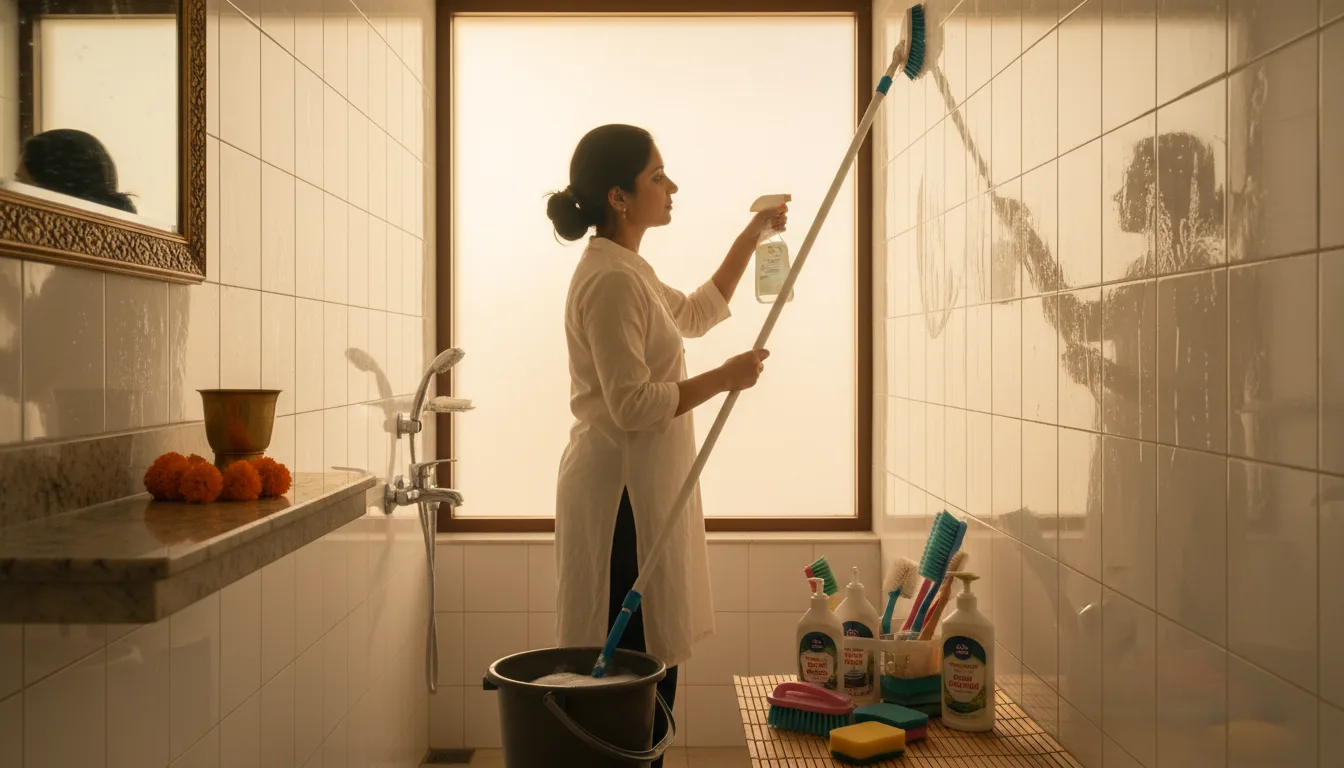
Tiles near floor drains and shower areas accumulate both limescale and soap scum - a combination that forms a particularly stubborn grey-white layer. Apply your acid solution directly to the tile, scrub with a firm-bristled brush on grout lines, and use a clean cloth on tile faces. Avoid acid solutions on natural stone tiles like marble or granite - these are calcium-based and will etch with acid. For stone, use a pH-neutral cleaner only.
Glass Shower Panels and Mirrors
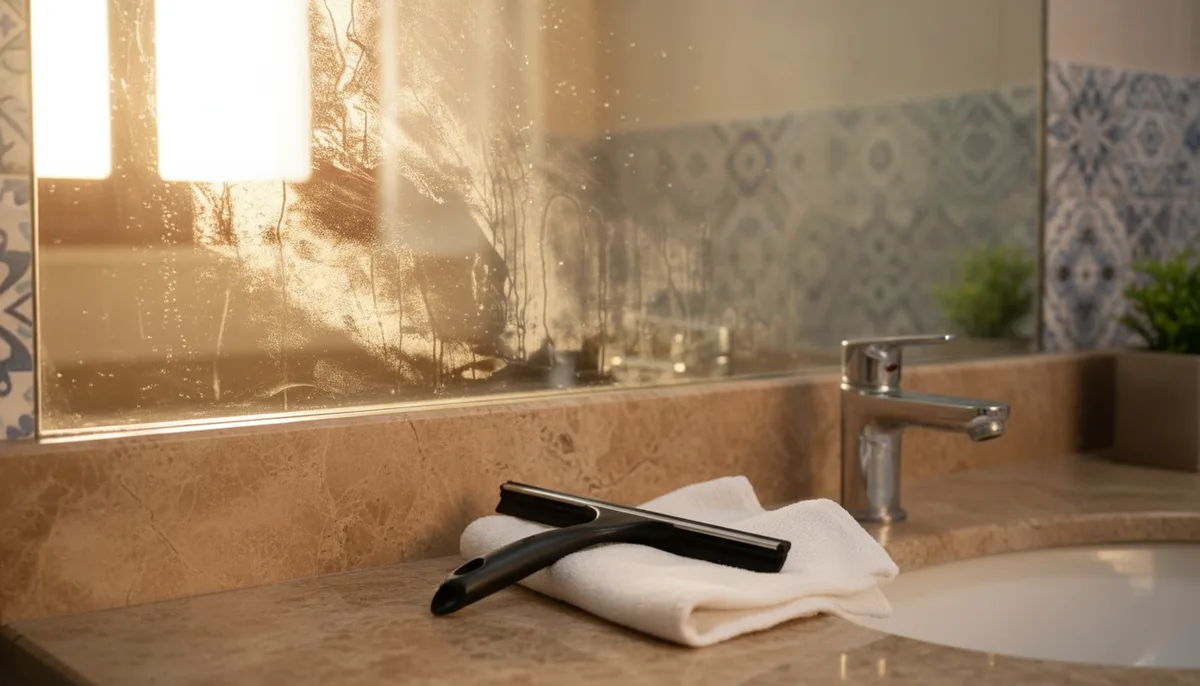
Glass shows hard water stains the most visibly. A paste made from equal parts baking soda and white vinegar, applied gently with a soft cloth and then rinsed off, tackles moderate buildup well. For heavy, long-standing deposits, a commercial limescale remover is more effective. After cleaning, a daily habit of squeegeeing the glass after each shower takes about 15 seconds and prevents almost all future buildup.
Prevention: The Real Long-Term Fix
Cleaning hard water stains reactively is tiring. The better strategy is to reduce how quickly they form:
- Dry surfaces after use. Especially mirrors, taps, and steel sinks. This single habit cuts cleaning frequency in half.
- Apply a thin coat of car wax or baby oil to taps. This creates a water-repellent layer that slows deposit formation significantly and is safe on chrome and steel.
- Use a water softener attachment on your main inlet pipe. If your TDS is very high (above 500 ppm), an inline filter or softener attachment is worth the investment and reduces scale on appliances and pipes as well.
- Clean little and often. A two-minute wipe-down three times a week beats a two-hour scrubbing session once a month.
A Note on Tools That Actually Last
One thing that makes hard water cleaning more frustrating than it needs to be is using the wrong tools. Cheap sponges that disintegrate after a week, cloths that scratch steel, or scrubbers that leave fibres behind - these make the job harder and end up costing more over time.
If you're dealing with hard water residue on dishes and pots regularly, the Multipurpose Wire Dishwashing Rags are designed to handle both dry scrubbing and wet washing without falling apart. They work on stubborn residue without scratching steel or non-stick surfaces, which is the balance most scrubbers fail to strike.
Investing in two or three good cloths that you use consistently is genuinely more effective than a cupboard full of cheap disposables that you replace every month.
Quick Reference: What to Use on What
- Chrome taps: White vinegar soak, soft microfibre wipe, no abrasives
- Steel sinks and utensils: Vinegar or citric acid, wipe with grain, dry immediately
- Glass: Vinegar solution or baking soda paste, squeegee daily
- Ceramic tiles: Acid-based cleaner, firm brush on grout, soft cloth on tile face
- Marble/granite: pH-neutral cleaner only, no acids
- Washing machine drum: Run an empty hot cycle with 500ml white vinegar monthly
Hard water is not going away, especially in Indian cities where the supply hasn't changed and isn't likely to. But once you understand how the deposits form and what actually dissolves them, keeping your home's surfaces clean becomes a lot less of a fight.