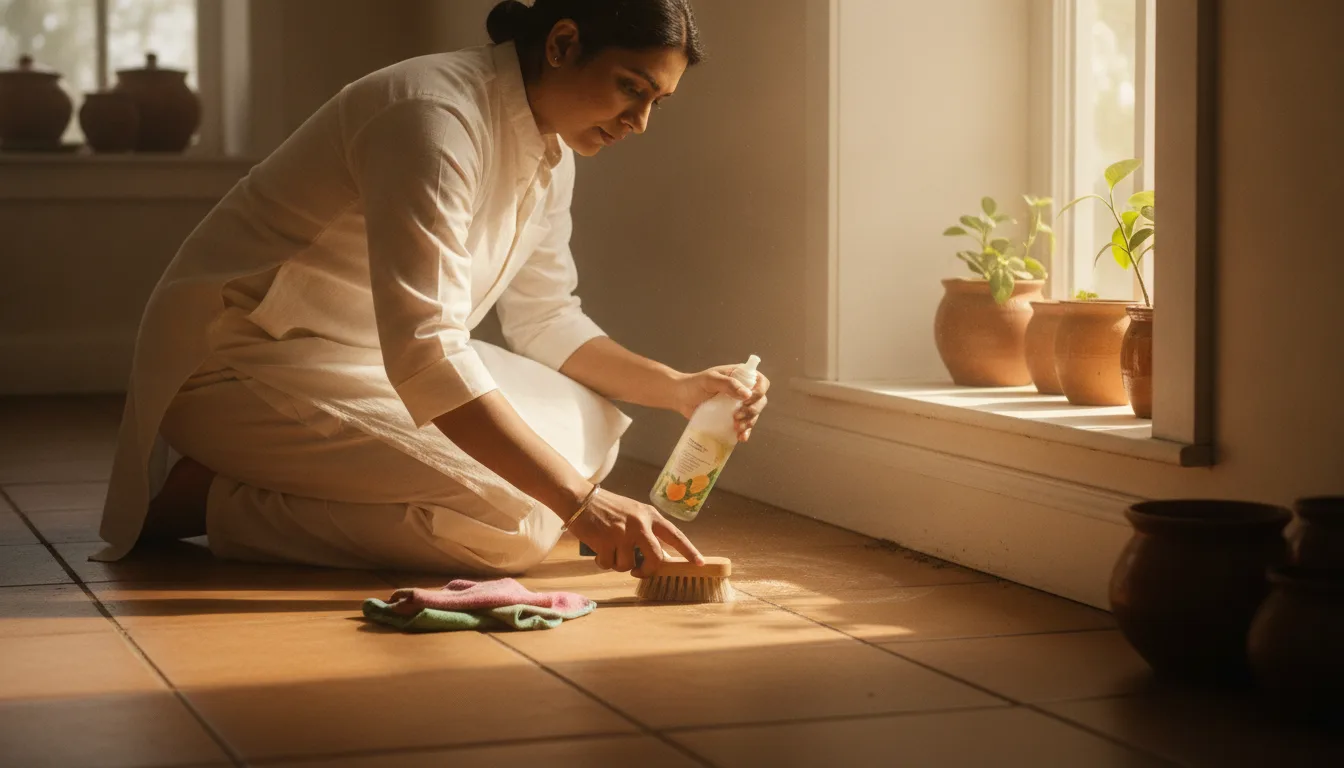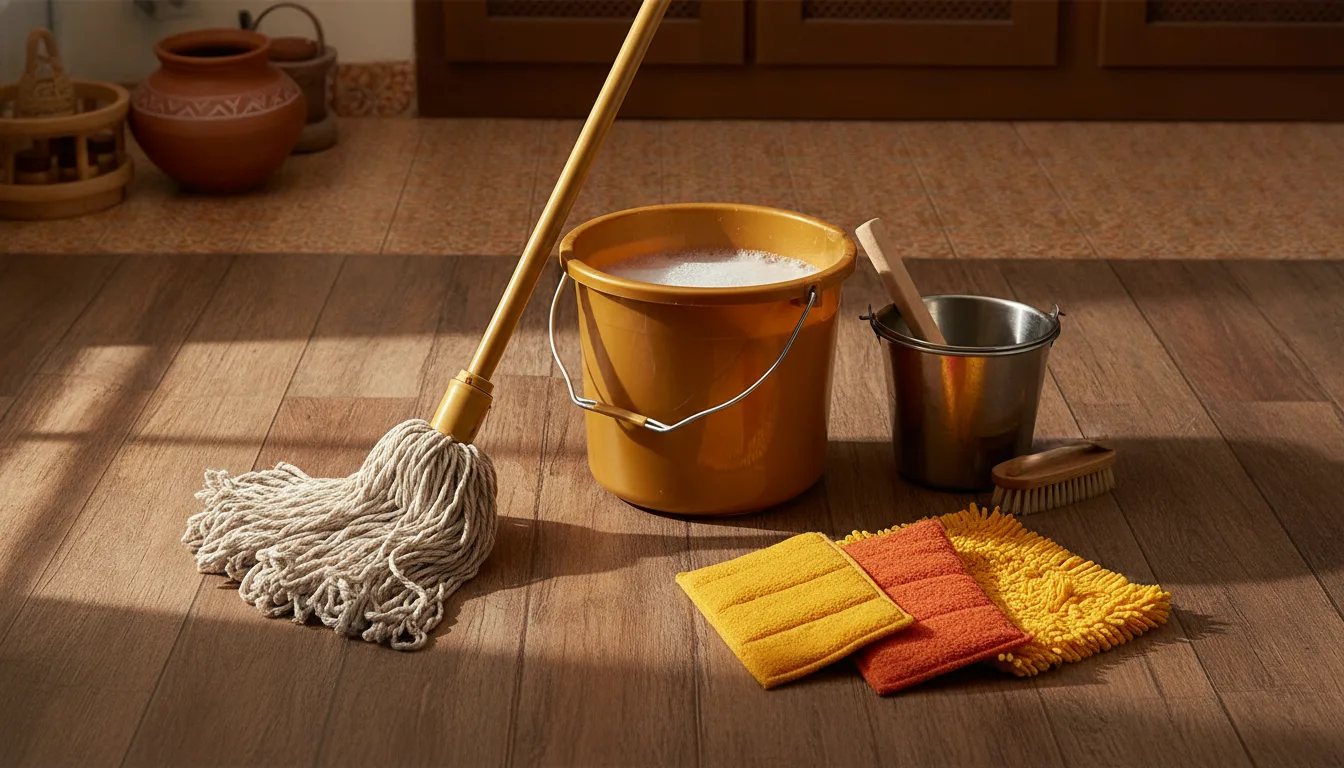

The Cleaning Kit Debate Nobody Talks About Honestly
Most Indian households have a chaotic shelf under the sink or inside a kitchen cabinet - five half-used bottles, a lemon going soft, an old box of baking soda, and maybe a bottle of something that smells strong enough to strip paint. It works, sort of. But it also takes time, mental energy, and a surprising amount of money when you add it all up.
On the other side, you have ready-made cleaning kits. The pitch is simple: everything in one place, already measured, already tested. But are they actually better, or are they just better packaged?
This is a straightforward comparison. No lifestyle fluff - just what you need to know to make a sensible call for your home.
What Goes Into a Typical DIY Cleaning Setup
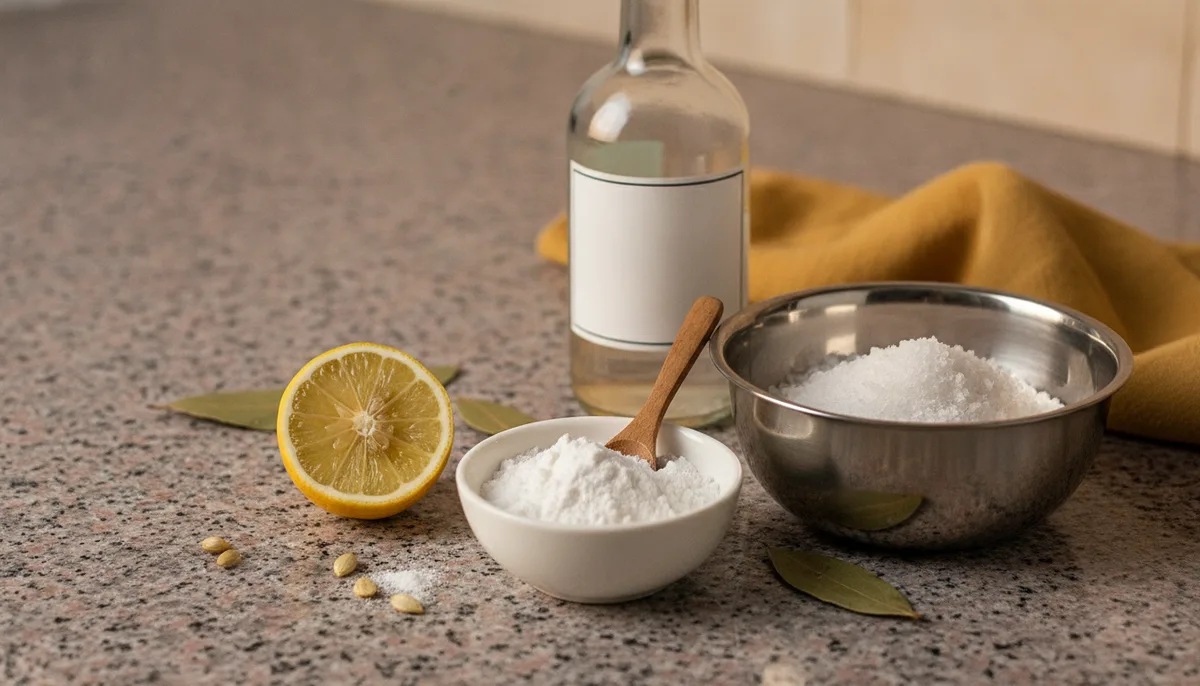
The classic Indian household DIY cleaning arsenal usually includes:
- Lemon and salt for steel surfaces
- Baking soda for stubborn stains and odours
- White vinegar for descaling taps and tiles
- Dish soap diluted in water as a general surface cleaner
- Phenyl or a floor cleaner concentrate for mopping
This approach has real advantages. Ingredients are cheap individually, widely available, and most of them are non-toxic. If you run out of one thing, substituting is easy.
But here is where it gets complicated: effectiveness depends heavily on concentrations, contact time, and the surface you are working on. Vinegar is good against hard water deposits but will slowly damage natural stone surfaces like marble or limestone - which is common in Indian homes. Baking soda paste works on grease but needs significant scrubbing. Lemon juice fades quickly and can attract insects if not wiped off properly.
And then there is the time cost. Measuring, mixing, and figuring out what works on what surface is not difficult, but it is not nothing either. On a busy weekday after cooking a full meal, that friction matters.
What a Concentrated Cleaning Kit Actually Offers
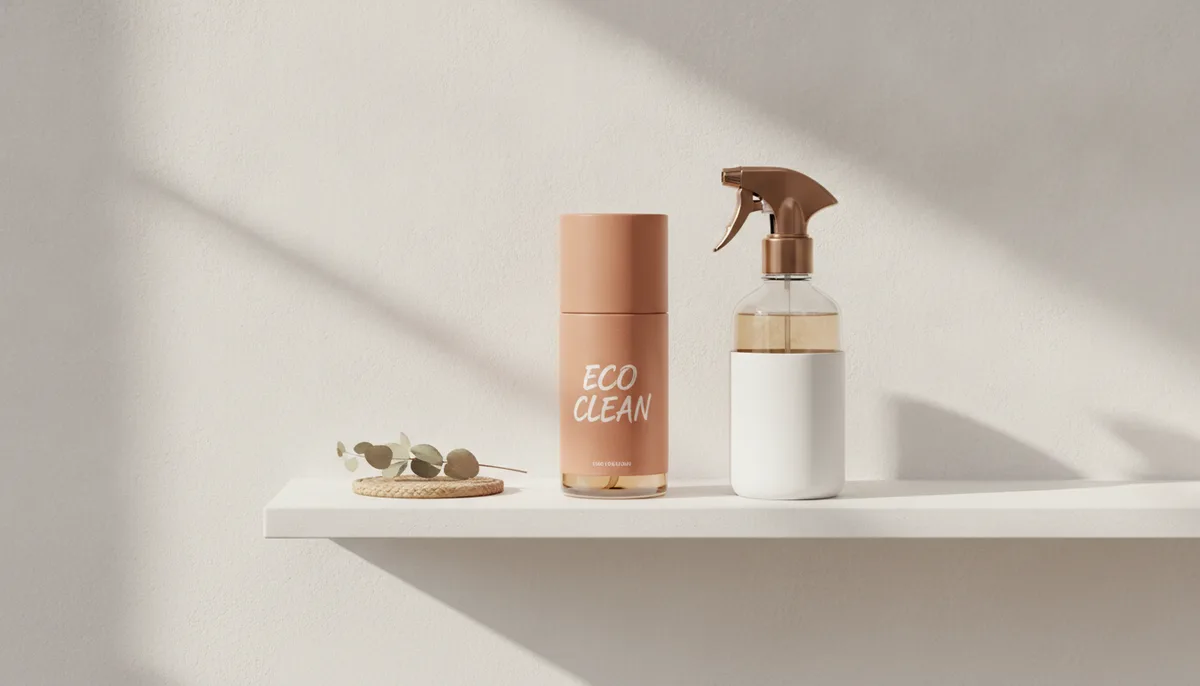
A well-designed cleaning concentrate is not just convenience packaging. The chemistry is the point. A good concentrate is pH-balanced for specific surfaces, stable over time, and formulated to work at the right dilution so you are not guessing.
The Sutra Cleaning Kit is a good example of what this looks like in practice. It is plant-powered and non-toxic, which matters if you have kids or pets at home. The concentrate is designed to work on multiple surfaces, meaning fewer separate products on your shelf. One bottle, diluted correctly, handles what three or four DIY ingredients might tackle with more effort.
The key metric people miss when comparing DIY to concentrate is cost-per-use, not sticker price. A 2,500 rupee cleaning kit that covers 50 to 80 cleaning sessions works out cheaper per use than buying separate bottles of vinegar, baking soda, and dish soap every month - especially when you account for waste from incorrect dilution or products going past their effective date.
Where DIY Still Wins
Being fair about this: DIY is not always the wrong answer.
For occasional spot cleaning, a lemon half and some salt on a steel sink is fast and perfectly effective. If you only clean once a week and your kitchen is not particularly heavy-use, a DIY setup can absolutely work. It also gives you full ingredient transparency, which some households prefer.
The trouble starts when you are dealing with heavy Indian cooking conditions. Strong spice residues, oil splatter that coats the underside of shelves, hard water deposits building up on taps over months - these need something with more consistent chemical action than a DIY mix that varies batch to batch.
The Tools Matter as Much as the Cleaner
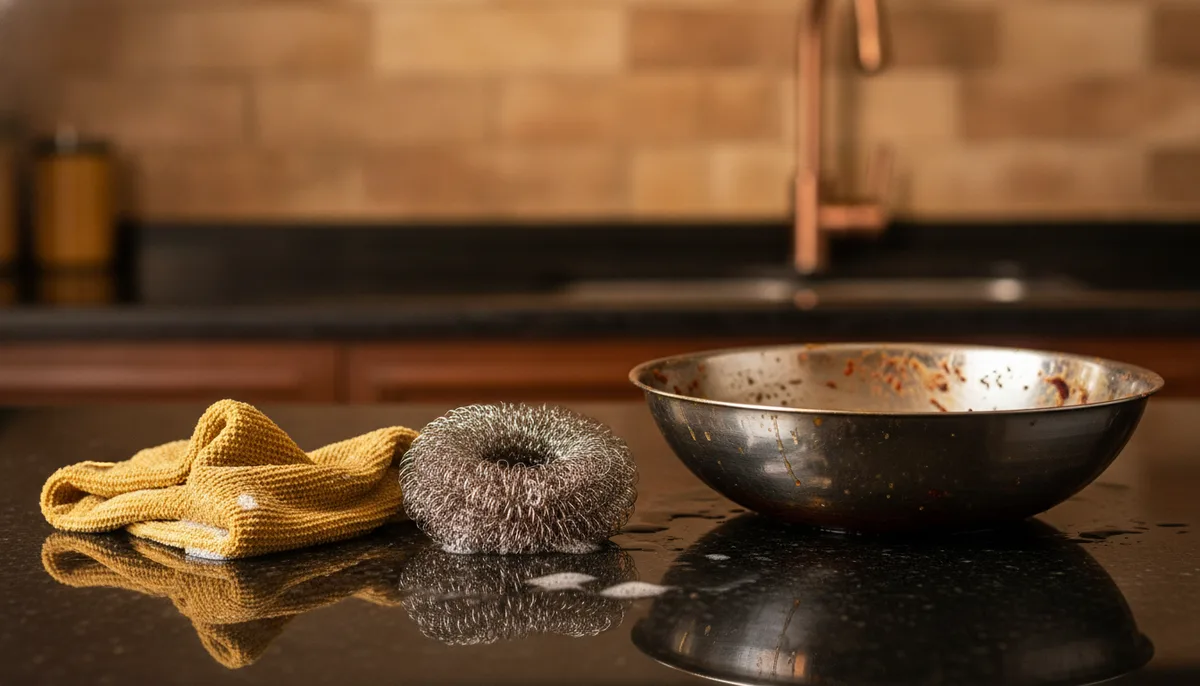
Here is something the cleaning kit debate often ignores: the product you use is only half the equation. The tool doing the scrubbing matters just as much.
A concentrated cleaner applied with a cheap synthetic sponge that scratches surfaces or falls apart in two weeks is not actually a good cleaning system. Similarly, a great DIY solution applied with the right cloth can work very well.
For most surfaces, the Space Cloth is worth pairing with whatever cleaning solution you use. It is designed to clean effectively with minimal product - and on most surfaces, you can use it with just water. That is actually a meaningful advantage when you are trying to reduce how much chemical product you go through.
For the kitchen specifically, where you are dealing with baked-on grease and food residue, the Multipurpose Wire Dishwashing Rags handle the heavy scrubbing that neither a soft cloth nor a standard sponge can manage without excessive effort. This is especially relevant in Indian kitchens where tawa and kadai residue builds up fast.
Making the Call: A Practical Framework
Rather than a blanket recommendation, here is how to think through it based on your actual situation:
Go with DIY if:
- Your kitchen use is light to moderate
- You already have the ingredients at home and use them regularly
- You have specific surfaces (like marble) that need carefully controlled chemistry
- You prefer knowing every ingredient going on your surfaces
Go with a concentrate kit if:
- You cook daily and deal with heavy grease or strong spice residues
- You want one product that handles most of your home without per-surface guesswork
- You have hard water and need consistent descaling action
- You want something that is pet and kid-safe without researching individual ingredients
The hybrid approach most households actually use:
Use a quality concentrate for regular mopping, surface wiping, and kitchen cleaning. Keep baking soda around for deodorising drains and dealing with specific stains. Use lemon only when you actually have one going spare. This is not a cop-out answer - it is genuinely what works in most Indian homes.
One More Thing Worth Considering
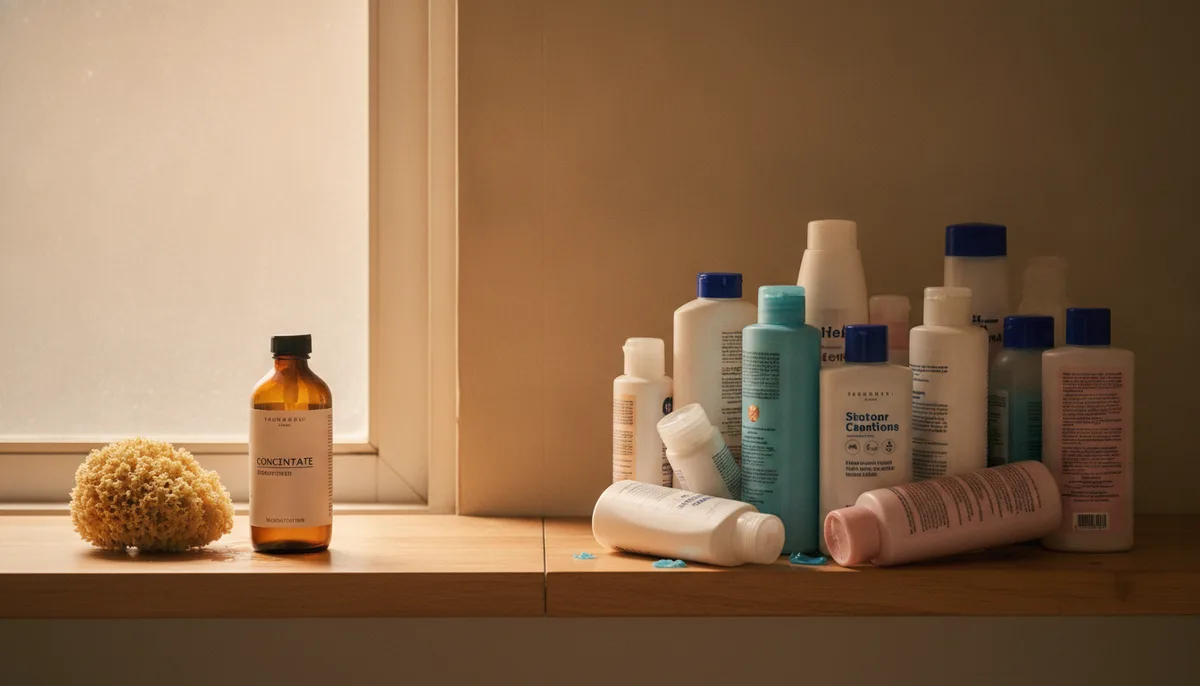
The environmental argument for concentrates is often overstated in marketing, but there is a real practical angle: fewer bottles means less plastic to manage and dispose of, which in Indian cities where recycling infrastructure is inconsistent, is worth thinking about. A single concentrate bottle replacing multiple single-use products is a genuine simplification.
Equally, pairing any cleaning solution with reusable tools means you are spending less over time and producing less waste. The Space Sponge lasts around 2 to 3 months with proper rinsing and air-drying - that is many disposable sponges worth of plastic not going into your bin.
Bottom Line
DIY cleaning is not outdated or ineffective. But the idea that it is always cheaper or better than a quality concentrate does not hold up under scrutiny, especially in Indian households with heavy cooking loads, hard water, and humid conditions that push cleaning demands higher than average.
The smartest approach is to audit what you are actually spending on separate products, calculate your real cost per use, and decide based on that - not on which option sounds more self-sufficient or more modern. Cleaning is a means to an end. Use whatever gets you there without unnecessary effort or expense.